I. Introduction: China Construction Equipment Market Overview
Based on customs data for the first five months of 2026, China construction equipment exports have maintained growth, with overseas markets becoming a key pillar for the sector. This analysis examines export growth structural characteristics, regional demand variations, and competitive landscape shifts for international procurement professionals. China construction equipment internationalization has progressed beyond trade to include manufacturing, after-sales services, and technical standards. Understanding this transition is necessary for formulating procurement strategies and establishing long-term supplier relationships.
II. Export Growth Structural Characteristics
From January to May 2026, China construction equipment export value reached USD 27.902 billion, up 20.8 percent year-on-year, achieved on the base established in 2025.
By product category:
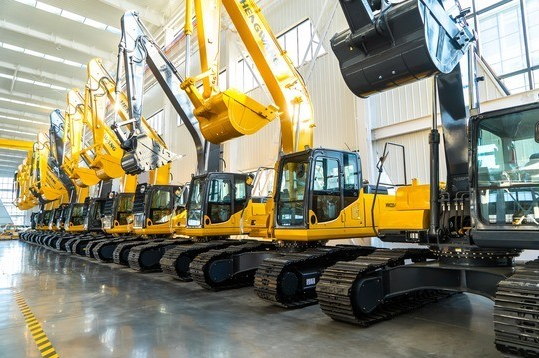
Excavator cumulative exports reached 58,748 units, up 32.86 percent. In May 2026, excavator exports reached 13,166 units, accounting for 53.10 percent of total sales, confirming overseas markets as the primary sales channel.
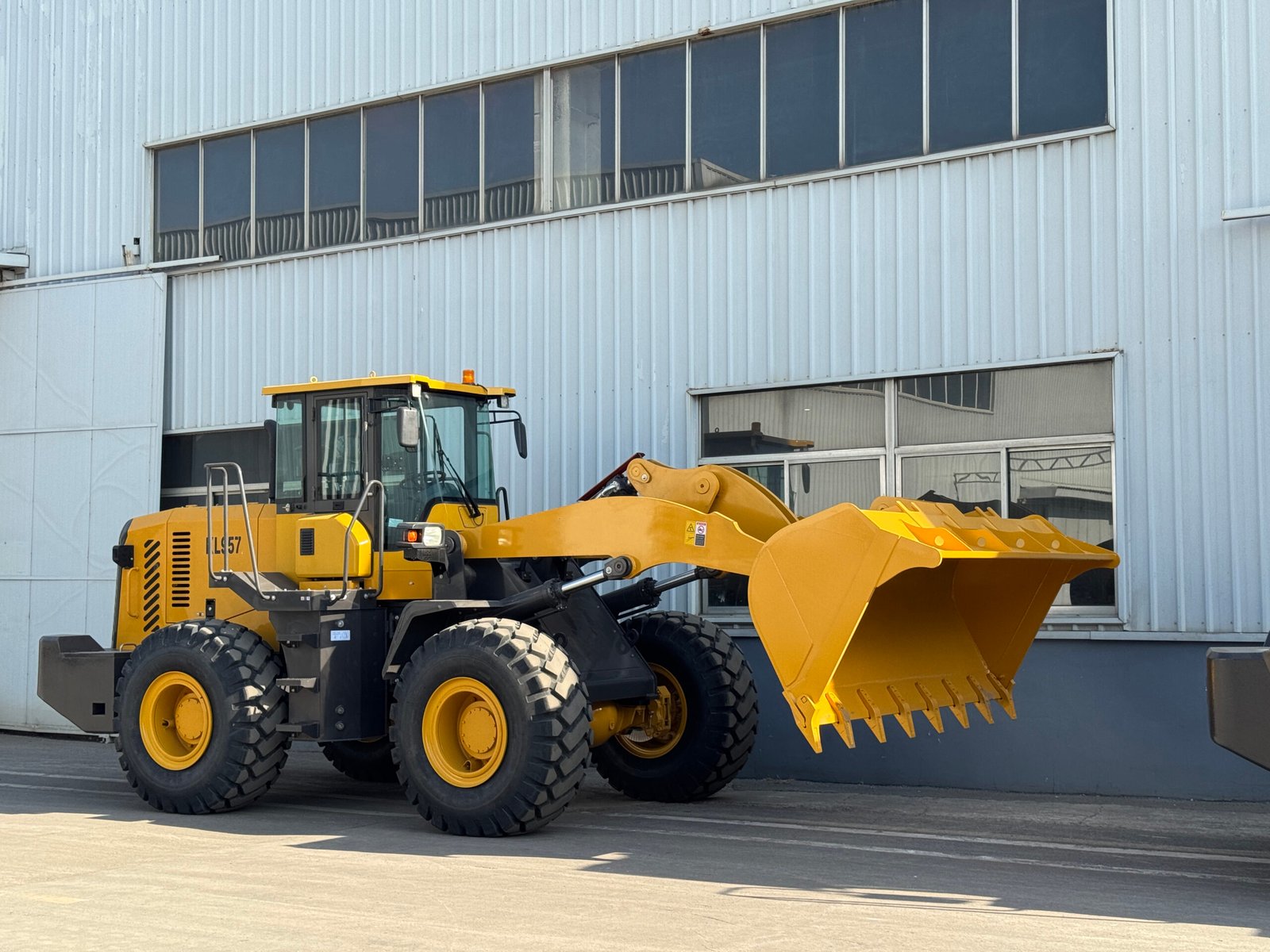
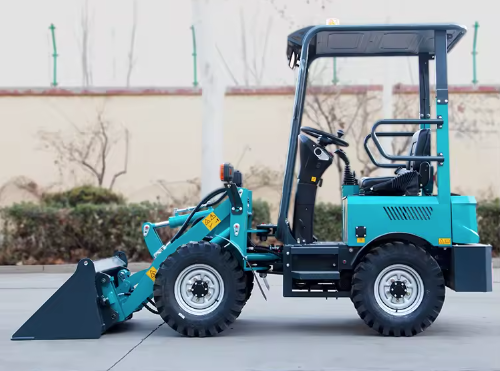
Loader exports totaled 32,656 units, up 41.1 percent.
Crawler crane cumulative exports reached 1,300 units, up 47.7 percent. The growth rate of large equipment suggests that China construction equipment manufacturers are entering premium global segments.
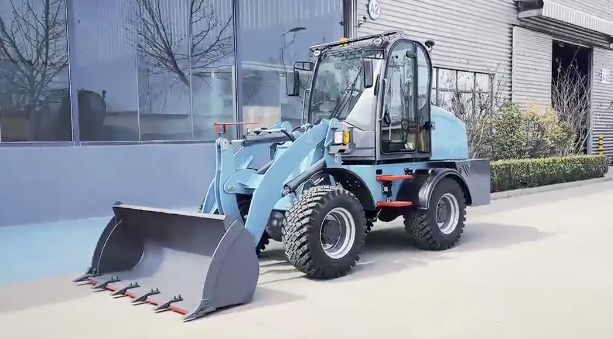
Electrified products continue gaining market acceptance. In May 2026, electric loader sales reached 4,949 units, with an electrification penetration rate of 36.92 percent. The EU’s planned prohibition on fossil-fuel-powered construction machinery by 2035 creates demand for electrified solutions.
III. Regional Demand Analysis
Demand drivers vary across regions.
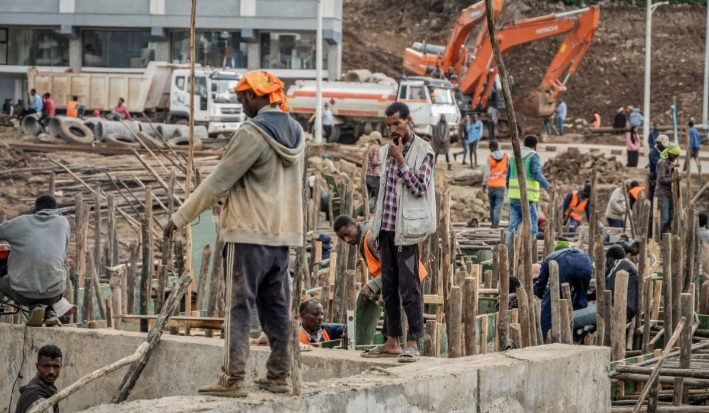
1. Africa: Exports to Africa reached USD 4.869 billion, up 51.7 percent, the fastest-growing market. Mining is the primary driver, with approximately 75 percent of excavator demand originating from copper, gold, and lithium extraction.
2. Asia: With exports of USD 11.021 billion, Asia remains the largest market for China construction equipment, accounting for 39.5 percent of total exports. Indonesia remains the largest excavator destination, supported by new capital city construction and mineral development. Vietnam recorded a 411 percent increase in crawler crane imports, indicating infrastructure acceleration.
3. Latin America: Excavator exports to Latin America increased by approximately 81 percent year-on-year in May 2026. South America recorded USD 3.311 billion in imports during January–May, up 32.7 percent.
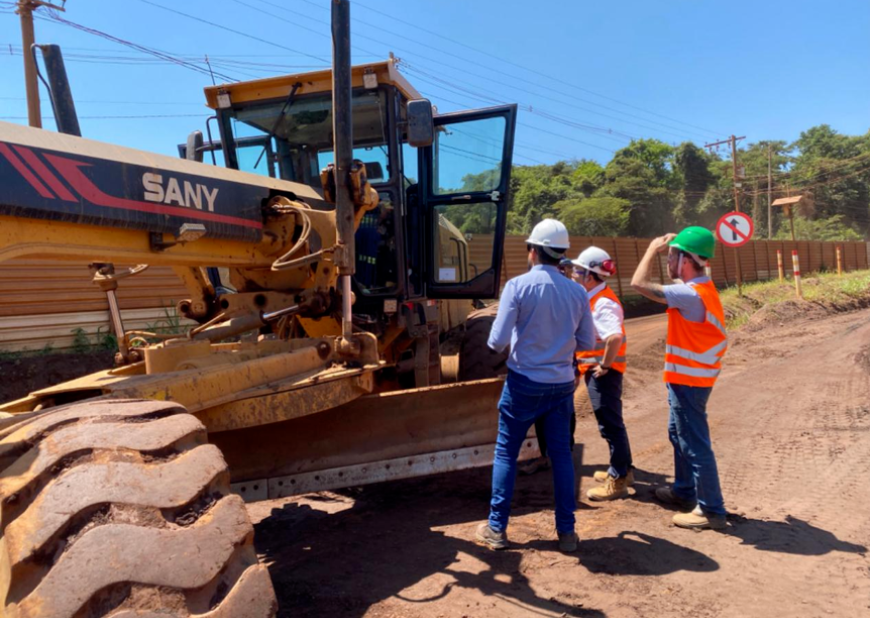
4. Europe and Middle East: European market exports reached USD 5.556 billion, up 17.2 percent. Exports to Belt and Road countries totaled USD 11.996 billion, representing 42.99 percent of total exports.
IV. China Market and Overseas Expansion Comparison
China Market: In May 2026, excavator sales in China reached 11,628 units, up 38.6 percent year-on-year, driven by a low comparison base, improved fund disbursement, and equipment renewal policies. Major projects including the Yalong River Hydropower Station and Xinjiang–Tibet Railway have entered peak construction phases, providing structural support. With an average service life of approximately eight years and the previous sales peak between 2019 and 2022, replacement demand is materializing.
Overseas Market: Export growth is expected to transition from rapid to steady growth in the second half of 2026. Global infrastructure investment, the mining upcycle, and improving competitiveness of China construction machinery constitute three supporting factors. According to KHL’s Yellow Table 2026, the combined market share of XCMG, Sany, and Zoomlion among the global Top 50 stands at 13.7 percent, indicating room for growth.
V. Supplier Strategy and Competitive Dynamics
Buyers are advised to evaluate suppliers across three dimensions.
Localized Manufacturing and Service Networks: Leading China construction equipment manufacturers are accelerating overseas capacity deployment. XCMG has established manufacturing with domestic suppliers in Mexico and developed industrial parks in Brazil. These strategies mitigate currency, shipping, and tariff risks while reducing spare parts lead times. Procurement professionals should prioritize suppliers with local assembly, parts inventory, and service teams.
Integrated Solutions and Service Capabilities: Zoomlion has developed a mining service system covering over 150 mines, with 200+ customized programs under a “one mine, one machine, one strategy” framework. The model extends from equipment sales to diagnostics, energy optimization, and equipment selection. For mining and large projects, service capability is as important as equipment specifications.
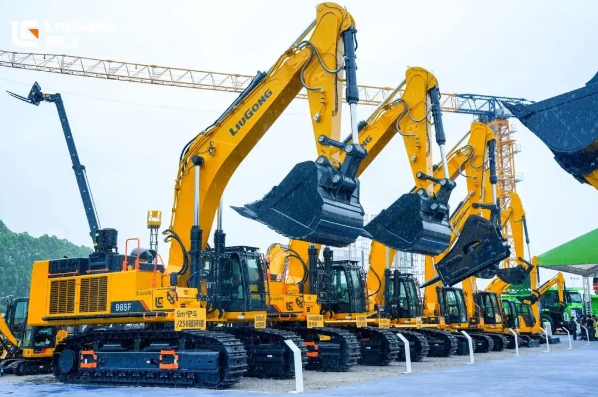
Pricing Strategy Adjustments: Between May and July 2026, LiuGong, Shantui, Sany, and XCMG raised prices 2–5% on excavator and crane lines. This first coordinated increase in years signals a shift from volume to value-based competition. Buyers should use total cost of ownership analysis incorporating energy, maintenance, and residual value, not just initial price. This applies to organizations planning to buy construction equipment for long-term projects.
VI. Value Option: Qhmach
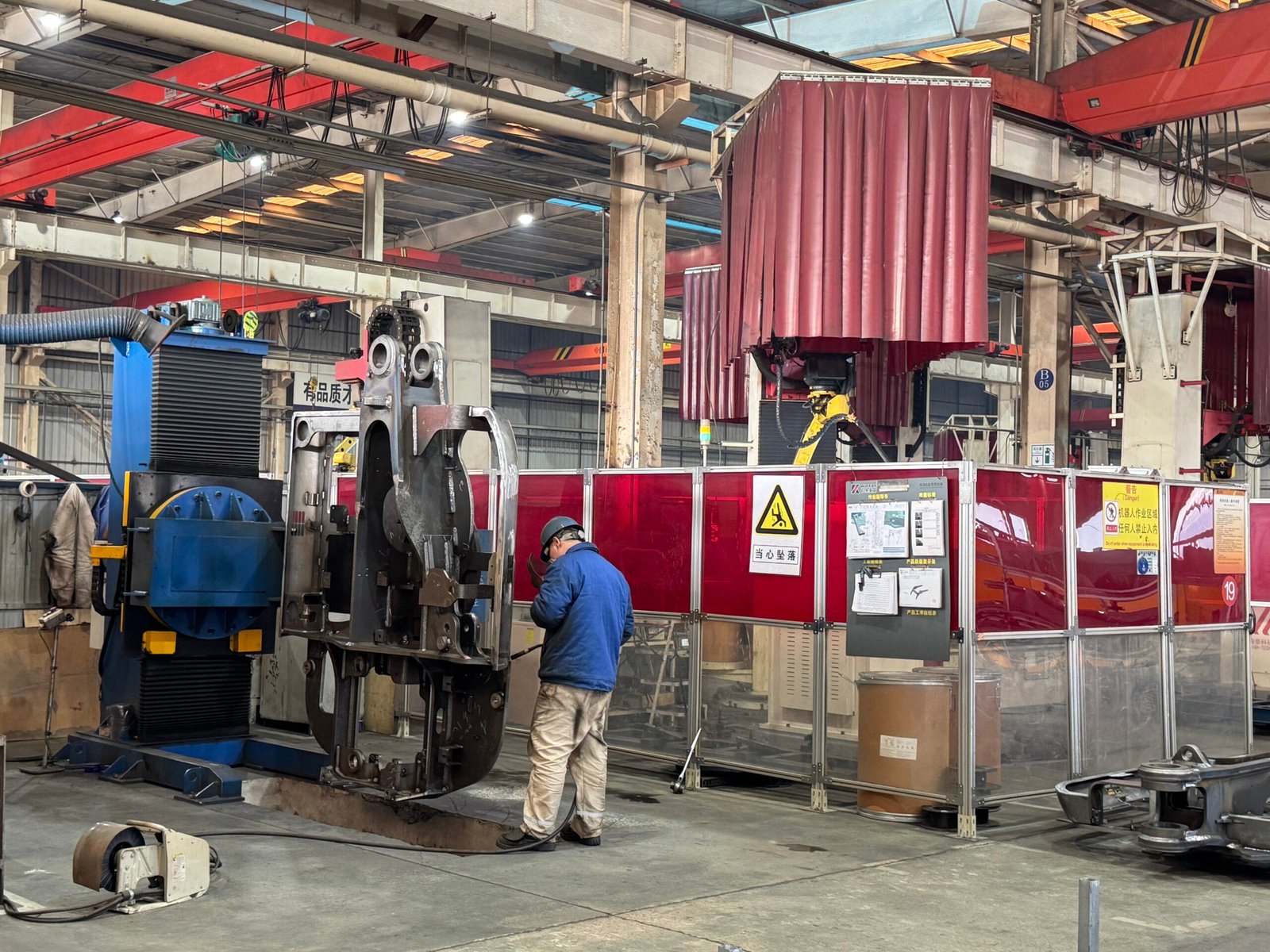
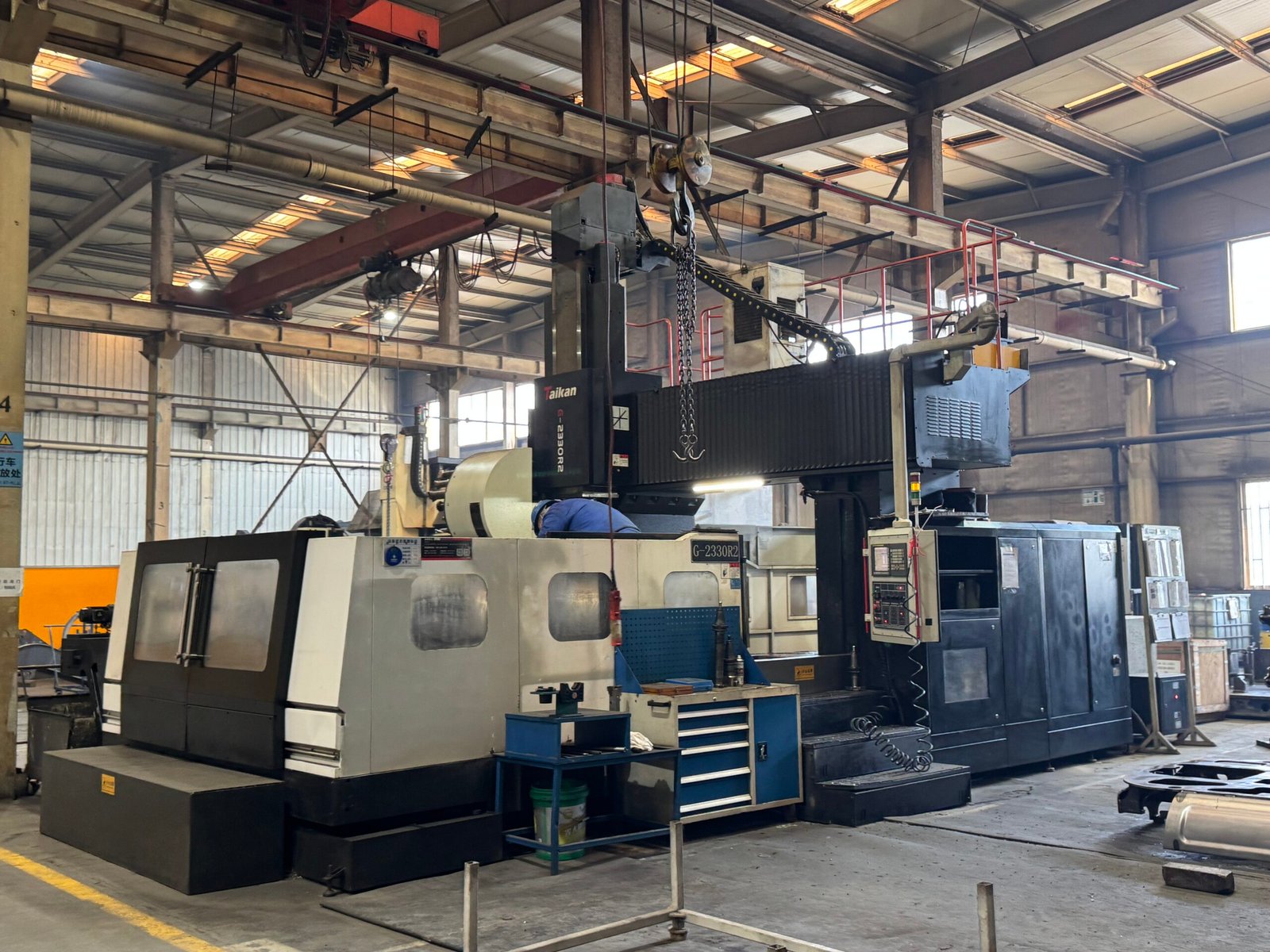
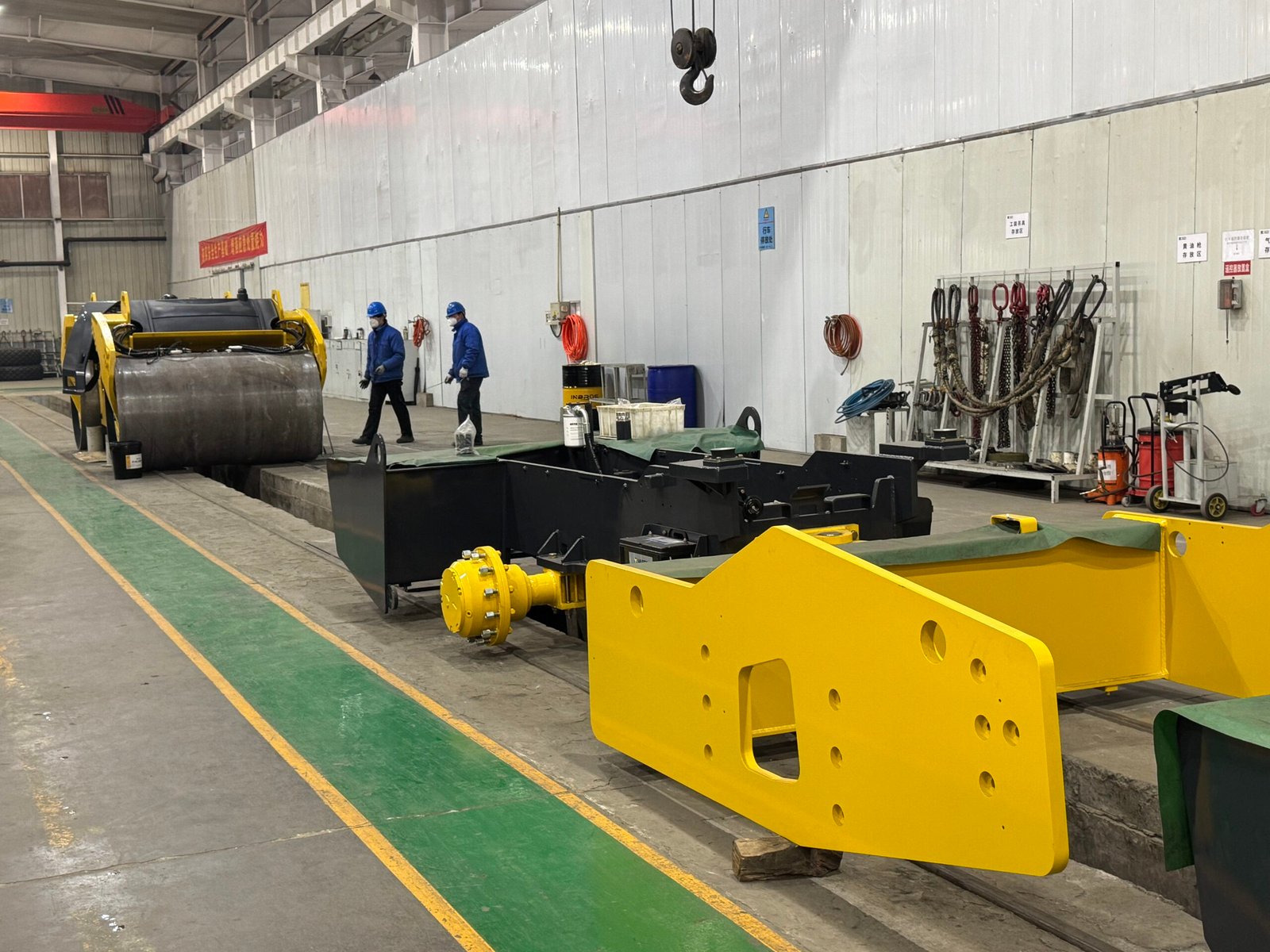
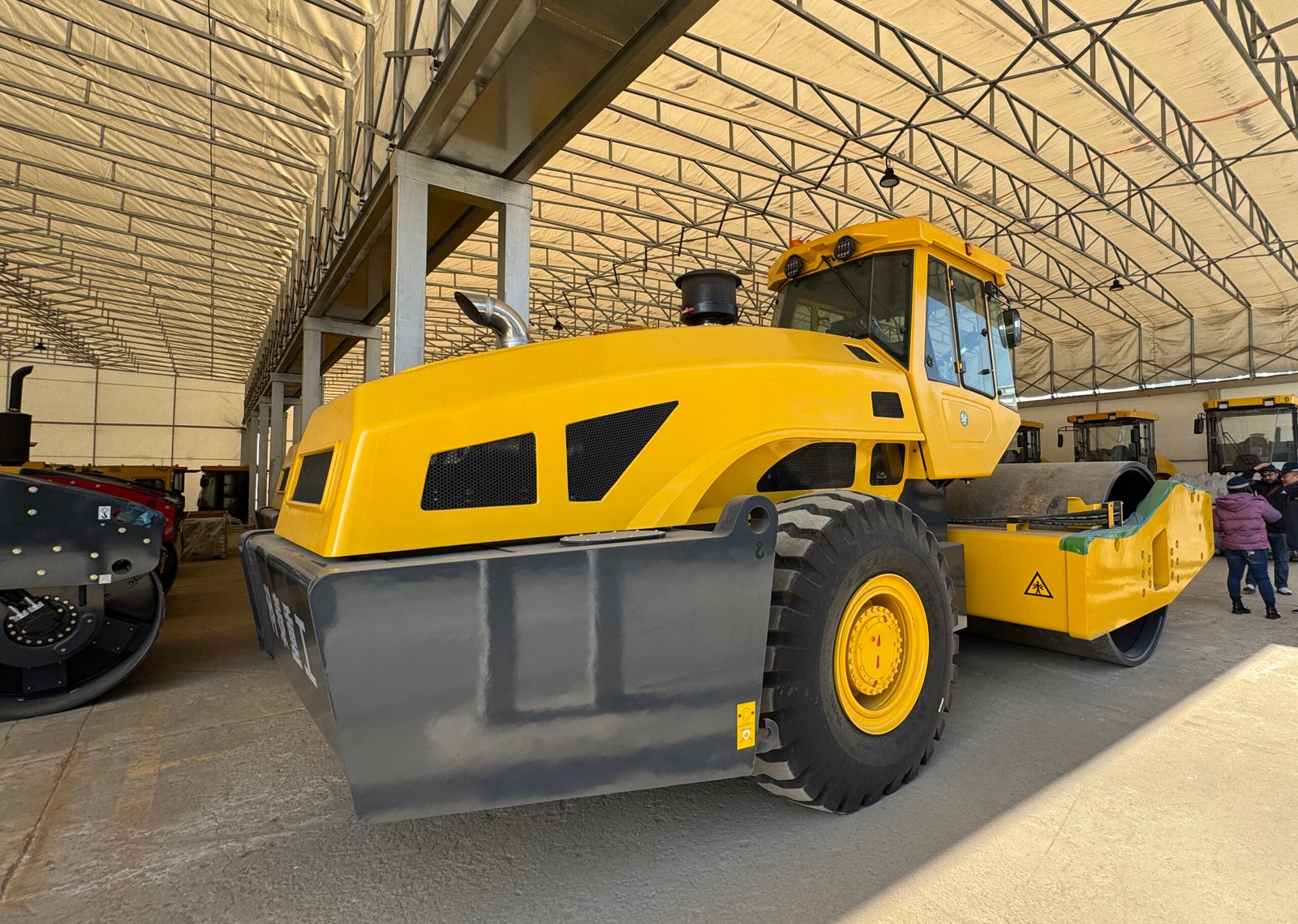
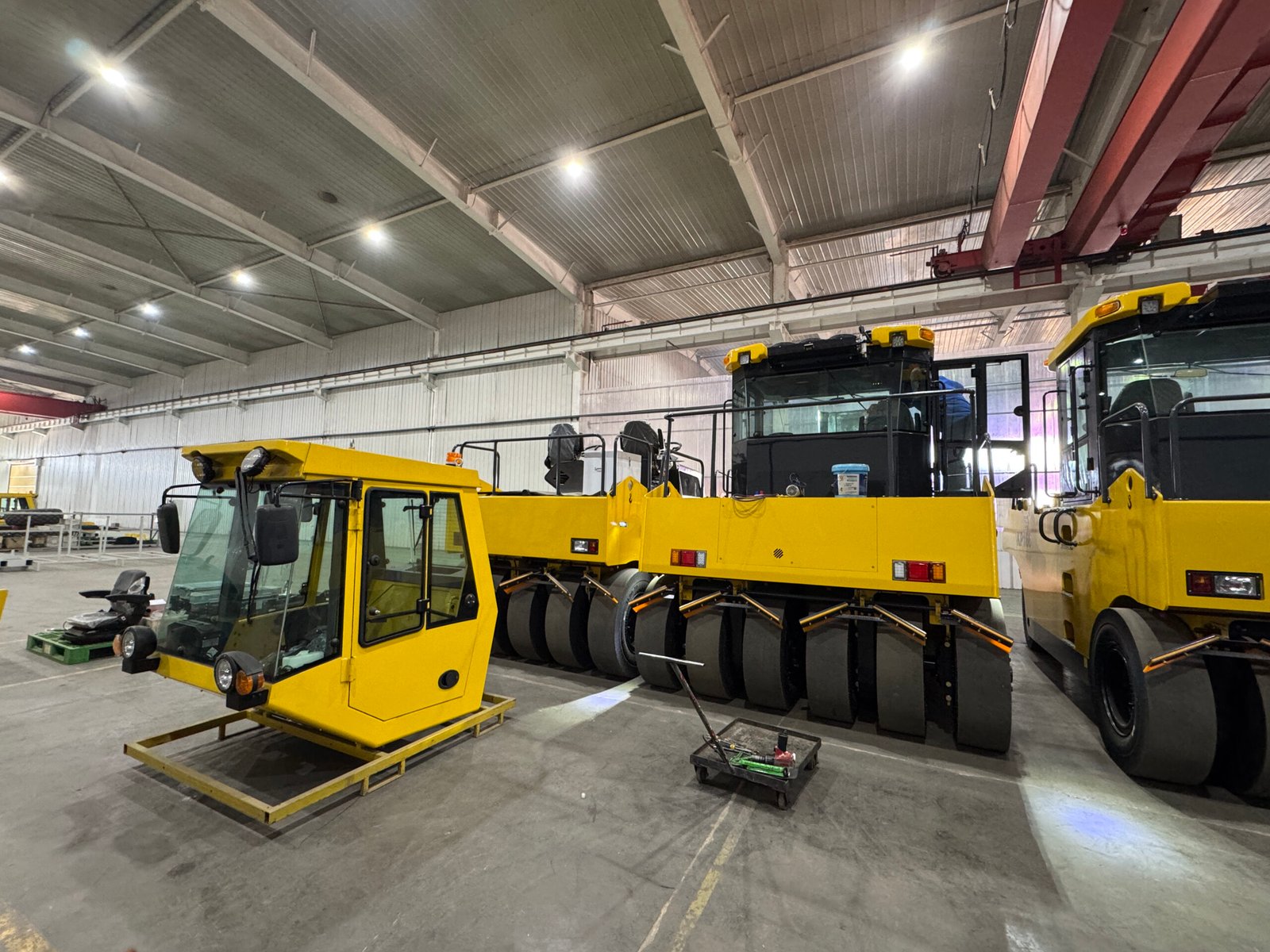
Qhmach offers a specialized alternative among Chinese construction equipment manufacturers. Founded in 2003, the company focuses on compaction equipment, with a distribution network across 60+ countries and annual shipments exceeding 500 units. The product range also includes excavators and loaders. The factory provides OEM and ODM services and has performed contract manufacturing for several internationally recognized brands.
For small and medium-sized contractors, Qhmach delivers value through product specialization, technical improvement, and lower operating costs.
VII. Conclusion: Procurement Considerations
First-half 2026 data confirms that the construction machinery industry in China has expanded from small equipment to large high-end machinery, and from developing to mature markets. Procurement organizations should evaluate supplier local service capabilities and spare parts availability, incorporate electrified equipment lifecycle costs, and apply total cost of ownership frameworks.
As China construction equipment manufacturers shift from scale-driven to quality-driven competitiveness, systematic supplier evaluation enables reliable long-term supply. The industry transformation allows international buyers to establish relationships that deliver operational and financial benefits over the equipment lifecycle.