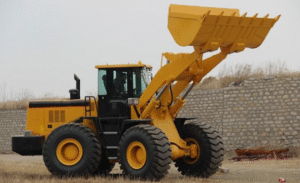
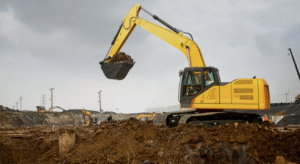
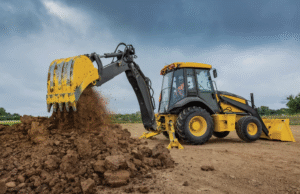
Different Types of Loader: A Complete Guide to Selection

I. Introduction

This comprehensive guide provides a systematic overview of different types of loader, detailing their classification by structure, power, and application. It covers essential selection criteria, practical calculation methods for fleet sizing, and real-world engineering applications. Understanding these aspects is crucial for optimizing equipment investment and maximizing operational efficiency in construction, mining, and industrial projects.

II. What is Loader?

A loader, commonly called a forklift or shovel, is a versatile earthmoving machine essential for construction, mining, and infrastructure projects. It efficiently handles shoveling, loading, and transporting materials such as soil, rock, and bulk goods, while also performing light excavation. By switching attachments, it can take on tasks like bulldozing, lifting, and material handling. The loader significantly boosts project speed, ensures quality, enhances safety, and reduces operational costs.

what is loader

III. Core Classification of Different Types of Loader

1. Classification by Travel System Structure

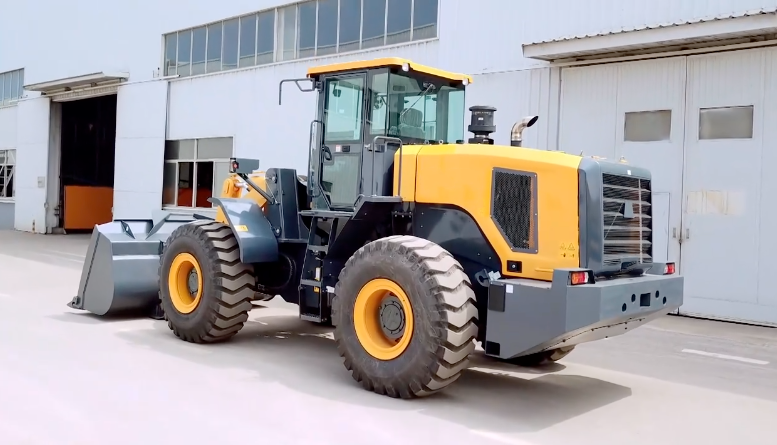
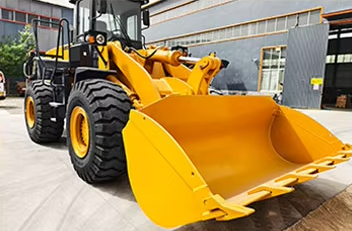
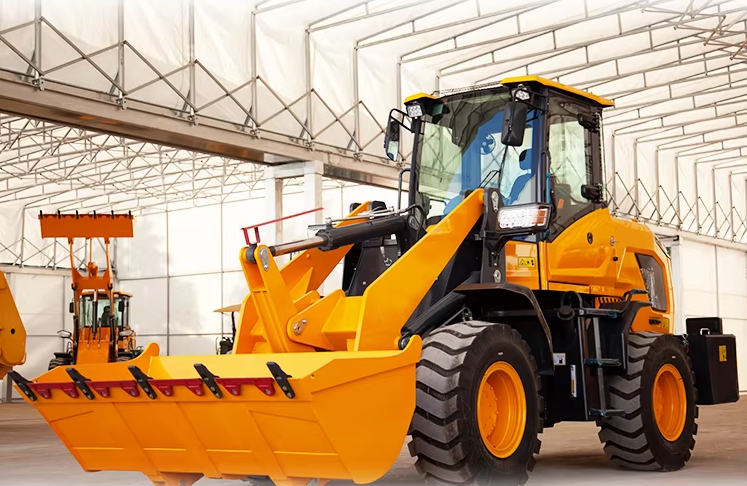
  • Wheel Loader Machine: This type uses a wheeled chassis as its travel mechanism. Its advantages include high travel speed, excellent maneuverability, the ability to operate on paved roads, high operational efficiency, relatively low manufacturing costs, and ease of maintenance. The tires also provide effective cushioning and vibration damping, which enhances operator comfort.
5 ton loader
Qhmach WL942 5 Ton Wheel Loader Machine
KL955T wheel loader machine
Qhmach 16.5 Ton Wheel Loader Machine
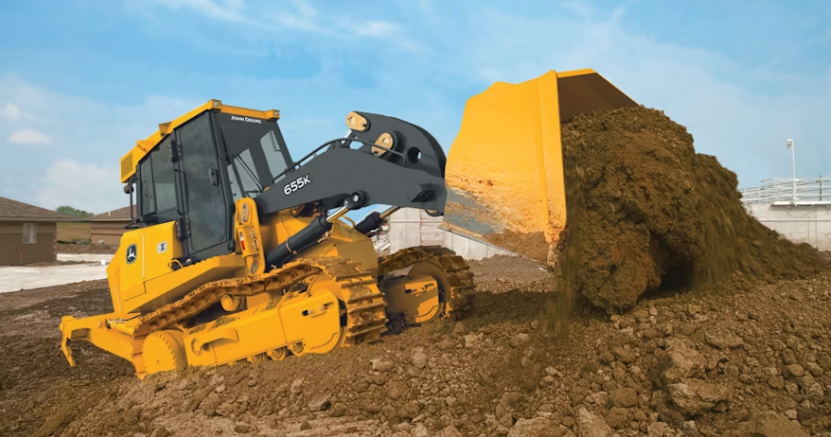
  • Crawler Loader: This type uses a tracked chassis or an industrial tractor base as its travel mechanism. It offers low ground pressure and high tractive force, making it suitable for soft or uneven terrain. However, its travel speed is generally slower, and it is less flexible when relocation is required.
different types of loader
Crawler Loader

2. Classification by Engine Position

  • Front-Engine Type of Loader: The engine is placed in front of the operator.
  • Rear-Engine Type of Loader: The engine is placed behind the operator. Currently, large and medium-sized loaders commonly adopt the rear-engine configuration to expand the operator’s field of view and use the engine as a counterweight to reduce the overall machine weight. 

3. Classification by Steering Method

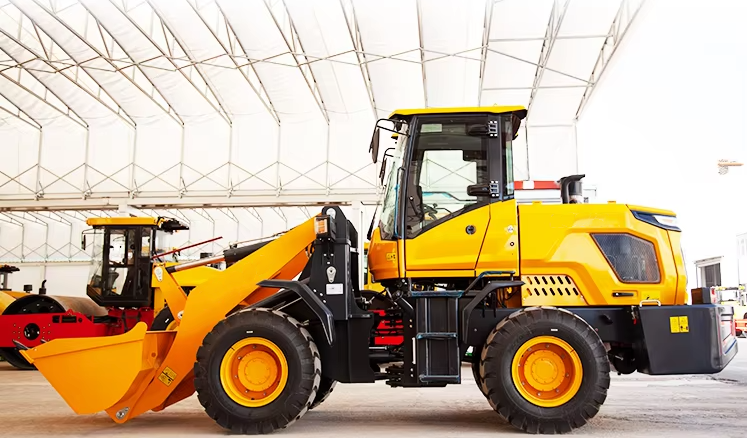
  • Steered Wheel Steering Type: Steering is achieved by turning the wheels of the wheeled chassis, which can be front-wheel, rear-wheel, or all-wheel steer. Its disadvantage is poor maneuverability, and the rigid frame design is less commonly used.
  • Articulated Steering Type: Steering is achieved by the horizontal swing of the front wheels, front frame, and work attachment around an articulated pivot. It has a small turning radius and is highly maneuverable, making it the most commonly used steering method today, especially suitable for work in confined spaces.
Best wheel loader machine
Qhmach WL942 5 Ton Wheel Loader Machine
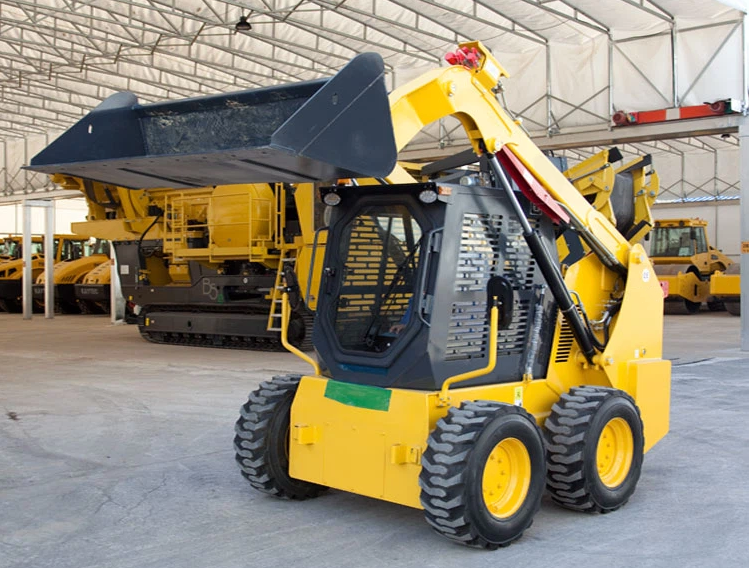
  • Skid-Steer Loader Type: Steering is achieved by the speed difference between the travel wheels or drive wheels on both sides. The machine is compact, capable of pivot turning, and offers excellent maneuverability. It is widely used in recent years for micro loaders.
skid steer front loader WSL12A
Qhmach WSL12A Skid-Steer Loader

4. Classification by Engine Power

  • Small Loader: Power less than 74 kW, suitable for light-duty scenarios.

  • Medium Loader: Power between 74 and 147 kW, balancing efficiency and flexibility.

  • Large Loader: Power between 147 and 515 kW, suitable for medium to large-scale projects.

  • Extra-Large Loader: Power greater than 515 kW, used for extreme working conditions in large-scale mines and ports.

5. Classification by Rated Load Capacity

  • Small Loader: Rated load capacity less than 1 ton, suitable for confined spaces, warehouses, and municipal engineering.

  • Light Loader: Rated load capacity between 1 and 3 tons, commonly used in small construction sites and landscaping.

  • Medium Loader: Rated load capacity between 4 and 8 tons, the type with the largest market share, suitable for various construction sites and mines.

  • Heavy-Duty Loader: Rated load capacity above 8 tons, suitable for heavy-duty conditions in large mines and ports.

6. Classification by Transmission Form

  • Hydro-Mechanical Transmission: Features low impact vibration, long component life, easy operation, and automatic adjustment between speed and external load. Mostly used in medium and large loaders.
  • Hydraulic Transmission: Allows for infinitely variable speed control and easy operation, but has poor starting performance. Generally used in small loaders.
  • Electric Drive: Provides infinitely variable speed, reliable operation, and simple maintenance, but has higher costs. Mostly used in large loaders.
KL835H wheel loader machine

7. Classification by Loading/Unloading Method

  • Front-Discharge Loader: Simple structure, reliable operation, good visibility, suitable for various job sites, and the most widely used.
  • Swing Loader: The work attachment is mounted on a 360-degree rotating platform, allowing side discharge without turning around. It offers high operational efficiency but has a complex structure, high weight and cost, and poorer lateral stability. Suitable for confined spaces.
  • Rear-Discharge Loader: Loads from the front and discharges from the rear, offering high operational efficiency and good safety, often used for specific working conditions.

8. Classification by Special Application or Configuration

  • High-Lift Loader (Model marked “H”): Has a higher discharge height, suitable for scenarios like coal or grain stacking.
  • Side-Dump Loader (Model marked “C”): The bucket can discharge sideways, suitable for tunnel and narrow roadway construction.
  • Rock/Reinforced Type: Designed for heavy-duty conditions like quarries, with reinforced structure and power systems.
  • Underground/Explosion-Proof Loader: Specifically designed for underground coal mines, meeting explosion-proof requirements to ensure operational safety.
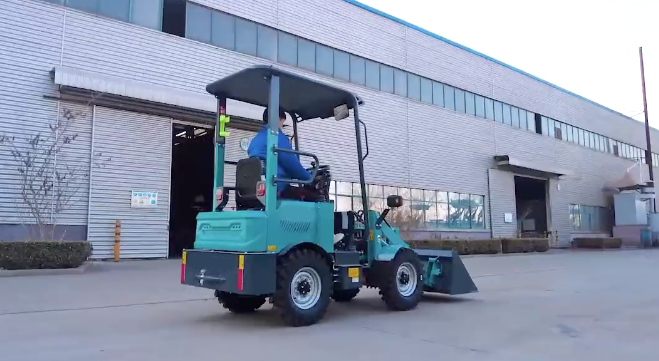
  • Electric Loader (Model marked “E/EV”): Meets environmental requirements, suitable for sites with strict emission standards.
electric compact loader Dual Speed Modes
Qhmach KE604 Electric Compact Loader

IV. Selection and Quantity Calculation for Loaders

Selecting the right type of loader and calculating the required number are core aspects of construction equipment management, directly impacting construction efficiency and cost.

1. Key Decision Factors for Selection

1) Job Site Compatibility

  • Material Type: Loose sand/soil (standard bucket) vs. rock/hard material (rock bucket + reinforced boom)

  • Lift Height Requirement: Mine truck loading (lifting height ≥ 3.5m) vs. municipal engineering (≤ 3m)

  • Site Constraints: Port container yards (require minimum turning radius ≤ 6m) vs. open-pit coal mines (can be relaxed to 8m)

2) Power System Selection

  • Electrification Trend: The 2024 CAT 988K XE electric wheel loader achieves 8 hours of operation on a 1-hour charge, making it suitable for environmentally sensitive sites like urban subway construction.

  • Fuel Economy: Turbocharged engines are preferred for high-altitude regions (e.g., Yuchai YC6K series with less than 15% power loss at 4500m altitude).

3) Special Functional Requirements

  • Cold-chain logistics yards require a side-shift function (with a positioning accuracy of ±50mm).

  • Waste treatment projects are recommended to use grapple loaders (with a clamping force of at least 8 tons).

2. Core Formula and Parameters for Loader Quantity Calculation

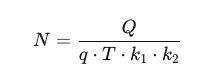
1)Core Formula:

Machine Quantity Calculation Number of Machines Required
  • :Number of loaders required

  • :Total project volume (m³ or tons)

  • :Hourly output per machine (m³/h)

  • :Planned operating time (hours)

  • :Time utilization rate (typically 0.75–0.85)

  • :Job condition coefficient (0.6–0.7 for complex terrain)

2) Key Parameter Determination Method

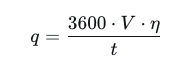
Hourly Output Calculation:
Machine Quantity Calculation Number of Machines Required
  • :Bucket capacity (m³)

  • :Bucket fill factor (0.9 for sandy soil, 0.75 for crushed stone)

  • :Work cycle time (seconds) (reference: about 40 seconds for short-distance transport for a 5-ton wheel loader machine)

Job condition correction factors:

multiply by 0.85 for slopes >15%; multiply by 0.9 for high-temperature environments (reduced hydraulic efficiency); multiply by 1.1 for multi-equipment collaborative operations (due to cross interference).

3. Practical Application Case: Highway Subgrade Project

1) Project Parameters:

  • Project Volume: Fill volume of 280,000 m³ (compacted)

  • Schedule: 60 effective working days, operating on a two-shift system (16 hours per day)

  • Haul Distance: Transport to compaction area 200m from loading point

  • Material: Sandy clay (loose density: 1.4 t/m³)

2) Selection Process

Equipment Selection:
    • Meets the loading height requirement for 50-ton dump trucks (3.2m lift height).

    • Configured with automatic leveling forks to improve spreading efficiency.

    • Model: Qhmach KL942 MAX (5 ton loader, rock bucket capacity: 3.2 m³).

Efficiency Calculation
  • Measured Cycle Time: Loading + Reversing + Turning = 55 seconds.

  • Theoretical Hourly Output:

Machine Quantity Calculation Number of Machines Required
  • Adjusted Output (Slope & Multi-machine Interference Coefficient: 0.85 × 0.9 = 0.765):
Machine Quantity Calculation Number of Machines Required
Fleet Size Calculation
  • Number of Machines Required:

Machine Quantity Calculation Number of Machines Required
  • Final Decision: Deploy 4 machines (including 1 backup), achieving an actual utilization rate of 82%.

4. Common Selection Pitfalls

  • Overspecification Trap: For example, a mine purchased an 8-ton loader for narrow tunnel work, but efficiency dropped by 30% due to its excessive turning radius.
  • Excessive Backup Equipment: Statistics show that when the number of primary machines exceeds 6 and the maintenance system is sound, backup machines should not exceed 15% of the total.
  • Ignoring Total Lifecycle Cost: Although the purchase price of an electric loader might be 30% higher, its five-year operating cost can be 45% lower than a fuel-powered machine, requiring comprehensive evaluation.

V. Strategic Partnership & Solutions

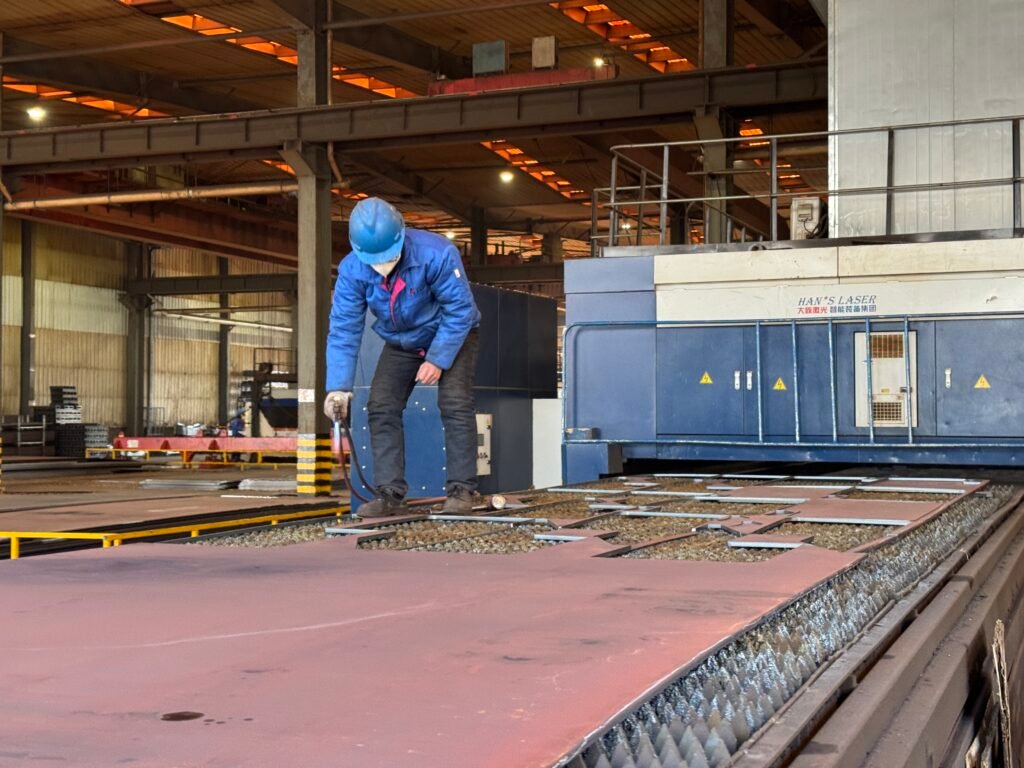
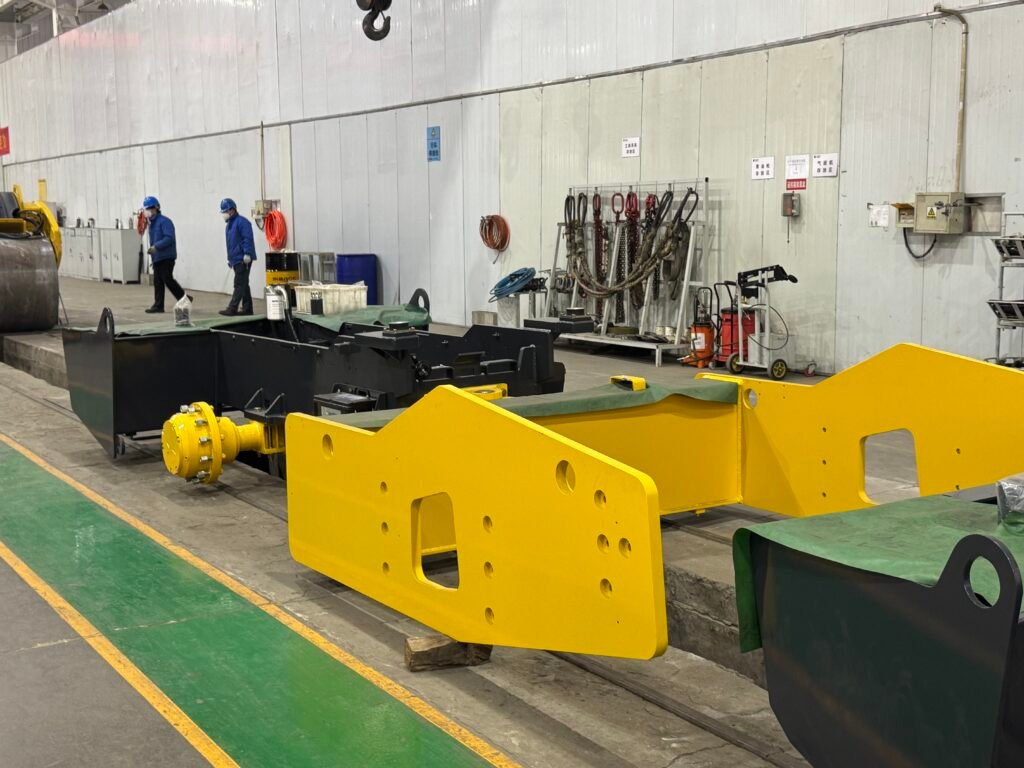
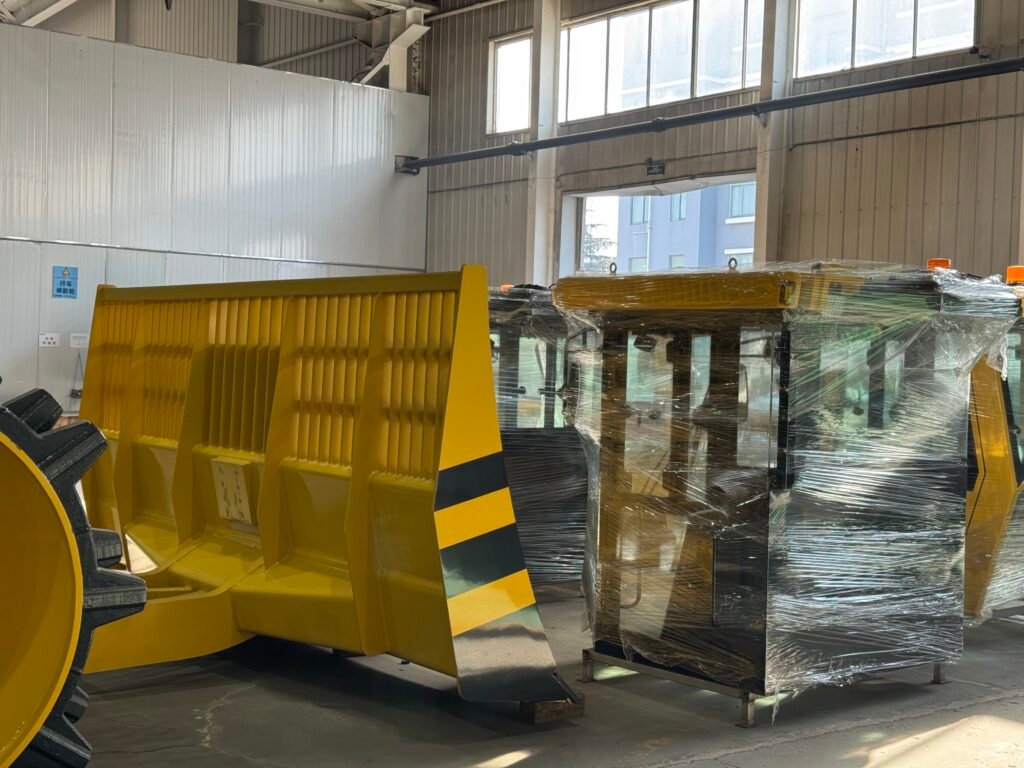
Selecting the right equipment is a strategic decision that extends beyond technical specifications. Partnering with a reliable manufacturer ensures access to proven expertise, innovative solutions, and long-term operational support. For over 40 years, Qhmach has been a trusted partner in the industry, leveraging a network of 20+ specialized factories to provide comprehensive OEM/ODM services for leading global brands.

Chinese construction equipment manufacturers construction machinery factory
Chinese construction equipment manufacturers

Our type of loader portfolio includes advanced wheel loader machine, versatile skid-steer loaders, and next-generation electric models designed for sustainability. If you have any questions regarding construction machinery selection or application, our team of mechanical engineers is ready to help you find the optimal solution. 

Share:

What is Qhmach ?

Qinghai Machinery (Qingdao) Co., Ltd., established in 2003, specializes in fully hydraulic rollers and has quickly become a leader in the industry. With over 30 models in four series—Single Drum Rollers, Double Drum Rollers, Pneumatic Tire Rollers, and Soil Compactors—our products range from 3 to 36 tons. We hold multiple national patents and fill critical market gaps, gaining popularity in over 60 countries across Africa, South America, and Europe. Committed to competitive pricing and advanced hydraulic technology, Qhmach exports over 500 units annually.

More Posts

< sale@qhmach.com >

Send Us A Message

Blog Contact
Qhmach

Reasons to Choose Us

As an industry leader, our road roller factory provide high-quality paving equipment backed by years of expertise. Our customer-focused team ensures prompt service for smooth project execution. Each road compactor piece of equipment is rigorously tested for reliability and durability. Choose us for quality and trust in every project.
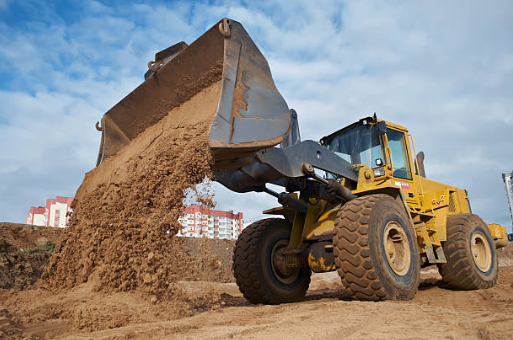
Email: sale@qhmach.com

Free Consultation

Get A Free Quote

Contact Qhmach

Copyright © 2024 Qinghai Machinery (Qingdao) Co., Ltd.

Sitemap / Privacy Policy / Terms & Conditions

Tell us your needs or suggestions

Contact Qhmach

Download the Latest Qhmach Catalog

2025 Catalog Download