I. Introduction
Winter poses a severe challenge to excavators. This article distills 7 essential maintenance tips and 10 common operating mistakes into a clear, actionable checklist. It is designed to help you master the key points of excavator maintenance, ensuring your equipment operates safely and efficiently through the cold months.

II. 7 Essential Winter Excavator Maintenance Tips
Cold weather demands proactive care. Follow these excavator tips to protect your machine from freezing temperatures and costly breakdowns.
1. Choosing the Right Excavator Diesel Fuel
- Key Point: Use diesel with a cloud point approximately 5°C lower than the ambient temperature.
- Pro Tip: Always flush the entire fuel system when switching to winter-grade diesel.
2. Switching to Appropriate Engine Oil
- Key Point: Use oil with a grade of CD or higher. In extreme cold regions, opt for 10W-30 or specialized anti-freeze oil.
- Pro Tip: You must replace the oil filter simultaneously during this critical maintenance task.
3. Excavator Battery Care
- Key Point: Regularly check, charge, and adjust electrolyte density. Clean corrosion on terminals and apply a protective spray.
- Pro Tip: Prevent rapid capacity loss by covering the battery with insulation or storing it in a warm place overnight.
4. Excavator Cooling System Maintenance
- Key Point: Add antifreeze coolant mixed to the ratio suitable for your local lowest expected temperature.
- Pro Tip: Coolant typically needs replacement every 1-2 years; inspect it before winter.

5. Excavator Glass and Cleaning Care
- Key Point: Lift wiper blades off the windshield to prevent freezing. Add antifreeze to the washer fluid reservoir.
- Pro Tip: This is crucial even for machines in long-term storage.
6. Inspecting Excavator Belts
- Key Point: Check belts (fan, AC) for aging, cracking, or wear.
- Pro Tip: Cold makes belts brittle. Regular inspection prevents sudden failure.
7. Excavator Undercarriage Inspection
- Key Point: Check nuts, bolts, and hoses for looseness or leaks. Re-lubricate grease points and address corrosion.
- Pro Tip: Frequent checks prevent rust and loosening caused by accumulated ice and snow.
III. 10 Critical Excavator Operating Mistakes You Must Avoid
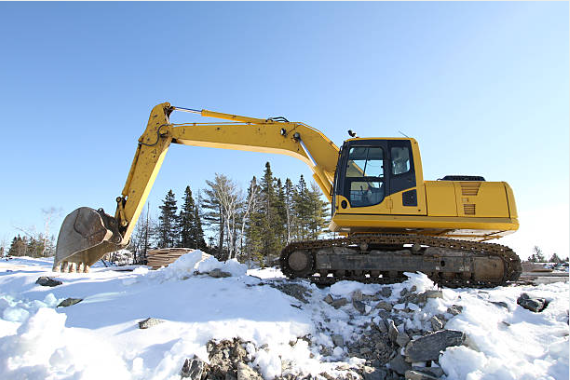
The right operation is as vital as proper care. Here are key excavator operating tips to dodge common winter pitfalls. Avoiding these errors is a crucial part of safe excavator operating in harsh conditions.

Mistake 1: Excavator Insufficient Cold-Start Preparation
- Wrong: Starting the engine immediately on a cold day.
- Right: Check the safety lock, set the fuel knob to low speed, and use the pre-heat function.
Mistake 2: Using Open Flame to Aid Starting
- Wrong (& Danger!): Placing a lit, fuel-soaked rag in the air intake.
- Risk & Right Way: ❌ Extremely dangerous! Introduces impurities, causing severe engine wear. Absolutely forbidden. Use only proper pre-heating devices.
Mistake 3: Skipping the Pre-heat Process
- Wrong: Ignoring pre-heat to start the engine faster.
- Risk & Right Way: Increases engine wear. Must pre-heat: Engage the pre-heat switch before starting.
Mistake 4: Operating Without Warm-up
- Wrong: Beginning excavation immediately after engine start.
- Risk & Right Way: Cold, thick hydraulic oil damages the system. Must warm up: Idle at low to medium speed with no load for several minutes.
Mistake 5: Using Open Flame to Heat the Oil Pan
- Wrong (& Danger!): Applying direct flame to the oil pan.
- Risk & Right Way: ❌ Dangerous and damaging! Degrades oil and creates a fire hazard. Use an engine insulation blanket instead.
Mistake 6: Using the Wrong Fluids
- Wrong: Using summer-grade diesel, oil, or hydraulic fluid.
- Risk & Right Way: Poor fluid flow leads to hard starts and accelerated wear. Strictly follow the “7 Tips” for winter-specific fluids.
Mistake 7: Draining Coolant Too Early or Not at All
- Wrong: Draining coolant immediately after shutdown, or not draining it when required.
- Risk & Right Way: Early drain risks cracking a hot engine; not draining allows ice to expand and cause damage. Correct way: Drain only after the engine cools sufficiently.
Mistake 8: Neglecting Insulation Measures
- Wrong: Assuming the excavator needs no winter protection.
- Right Way: After parking, cover the engine with an insulation blanket or use a radiator cover to retain heat.
Mistake 9: Improper Travel Operation
- Wrong: Making sharp turns or traveling fast on slippery ground.
- Risk & Right Way: High risk of skidding or tipping. For safe excavator operating, travel slowly and steadily, and avoid slopes.
Mistake 10: Neglecting the Machine After Work
- Wrong: Parking a muddy machine on soft, wet ground and walking away.
- Right Way: Always do these 3 things: 1. Clean off mud and water; 2. Park on hard, dry ground; 3. Drain any water from the fuel system to prevent freezing.

IV. Master Winter Excavator Maintenance for Success
Winter reliability hinges on “thorough maintenance and correct operation.” This guide’s 7 tips provide the proactive care framework for the maintenance of excavator systems, while avoiding the 10 mistakes ensures operational safety. Remember, integrating these excavator operating tips into your daily routine is the most effective strategy to minimize winter downtime, protect your investment, and keep your project on schedule. Consistent attention to these excavator tips will ensure your machine starts reliably and performs powerfully all season long.
V. Reliable China Excavator Manufacturer Partner for Your Winter Operations
While adhering strictly to winter maintenance and operating protocols is essential, selecting high-performance equipment built to withstand harsh conditions is fundamental to efficient operations. As a specialized Chinese construction machinery supplier, WALMECH offers a complete lineup of excavators ranging from 1-ton to 33-ton models, including Crawler Excavators, Wheeled Excavators, and versatile Backhoe Loaders. This range is designed to meet diverse needs, from municipal maintenance to large-scale earthmoving projects.
Our equipment is engineered with consideration for varied working environments and climatic challenges, aiming to provide you with reliable and efficient operational solutions. If you have any questions regarding equipment selection, configuration options, or specialized winter operations, please feel free to reach out. The WALMECH professional team is ready to offer objective and practical advice to help you make the best decision.
Wishing you smooth and productive winter operations with stable and efficient equipment performance!