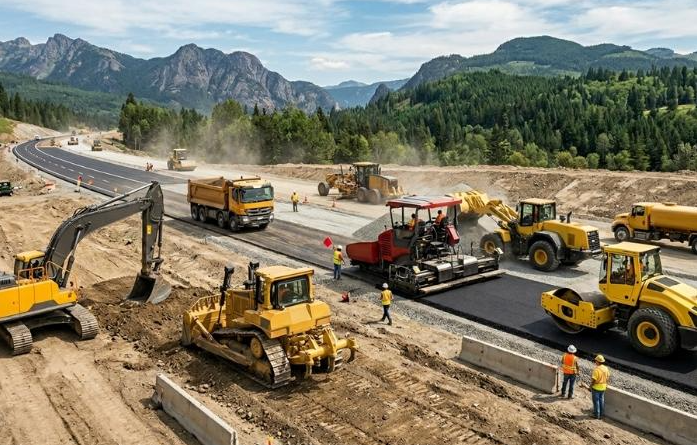
This guide outlines a systematic framework for selecting road construction machinery based on four core principles—adaptability, economy, safety, and advancement—and key project variables like scale and soil conditions. It categorizes essential machinery across earthmoving, grading, paving, and compaction, provides a task-based quick-reference table, and concludes with common selection errors and a pre-commitment checklist to help managers optimize fleets and minimize total cost of ownership.
I. Core Principles for Equipment Selection
1. Adaptability
Machinery types must match engineering conditions, and capacity must match workload. Equipment must adapt to terrain, soil, climate, and haul distance. Capacity should align with schedules to prevent delays. Task-specific machinery is required (e.g., dedicated pile rigs for subgrade reinforcement).
2. Economy
Selection is based on unit construction costs. Fixed asset consumption is proportional to investment, while operating expenses are proportional to workload. Large machinery requires high upfront investment but can be amortized over large volumes. Selection requires a balance between advanced features and reliability, avoiding unnecessary maximization or minimization of equipment scale.
3. Safety
Selection must ensure project quality, personnel safety, and environmental compliance. Tasks requiring technical precision should use specialized machinery (e.g., tri-axial mixing pile rigs). Machinery must include safety features (e.g., anti-rollover devices, dust reduction). Operations must not damage surrounding structures.
4. Advancement
Selection prioritizes efficient, low-consumption, and stable machinery. New equipment may have a higher unit price but provides higher productivity and lower failure rates. Intelligent hydraulic pile drivers, for example, improve accuracy and reduce long-term costs.
II. Project Variables for Selection
1. Project Scale
Rural roads and highways require different equipment classes. Large projects utilize high-capacity pavers and heavy tandem road roller machine. Smaller jobs experience reduced efficiency with oversized machines due to transport difficulties and increased fuel consumption.
2. Ground Conditions
Soil conditions determine compaction strategy. Granular soils (sand) require vibratory rollers. Cohesive soils (clay) require padfoot (sheepsfoot) rollers to achieve density. Using smooth-drum rollers for clay subgrades can result in failed density tests.
3. Surface Type
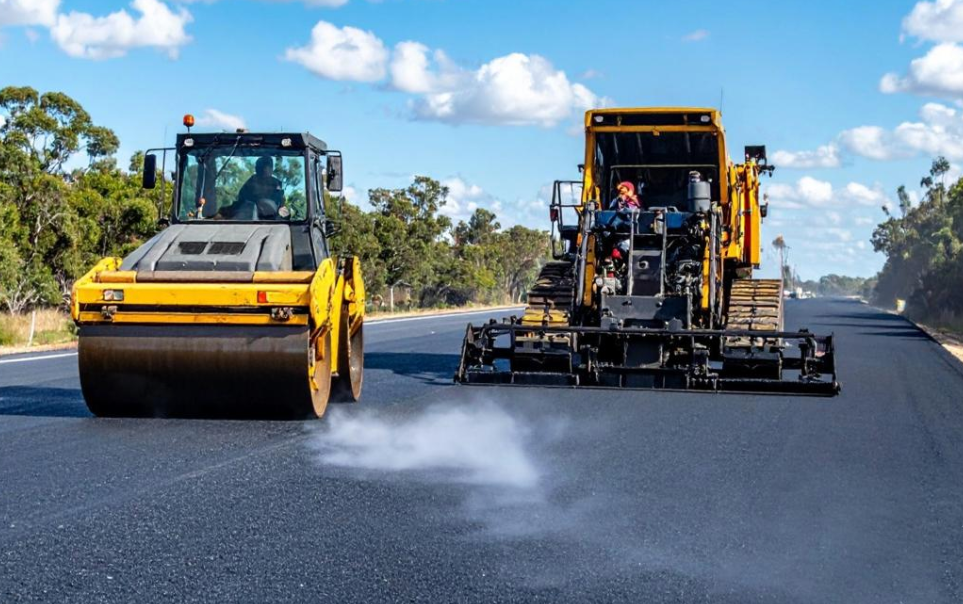
New asphalt, concrete, and recycling require distinct equipment trains. Asphalt requires a paver, double-drum vibratory road roller machine for breakdown, and pneumatic tire rollers for finishing. Rehabilitation requires a cold milling machine prior to paving.
4. Cost of Ownership
Fuel, maintenance, repairs, and financing constitute the hourly operating cost. A machine with lower purchase cost but limited parts availability may incur higher total costs than a higher-priced model with an established service network.
III. Core Road Construction Equipment Categories and Application
Road construction machinery is broadly categorized by function into Earthmoving Machinery (bulldozers, excavators), Compaction Machinery (rollers, compactors), Pavement Machinery (pavers, milling machines), and Specialized Foundation Machinery (mixing pile rigs). Specific matching recommendations are as follows:
1. Earthmoving and Site Prep
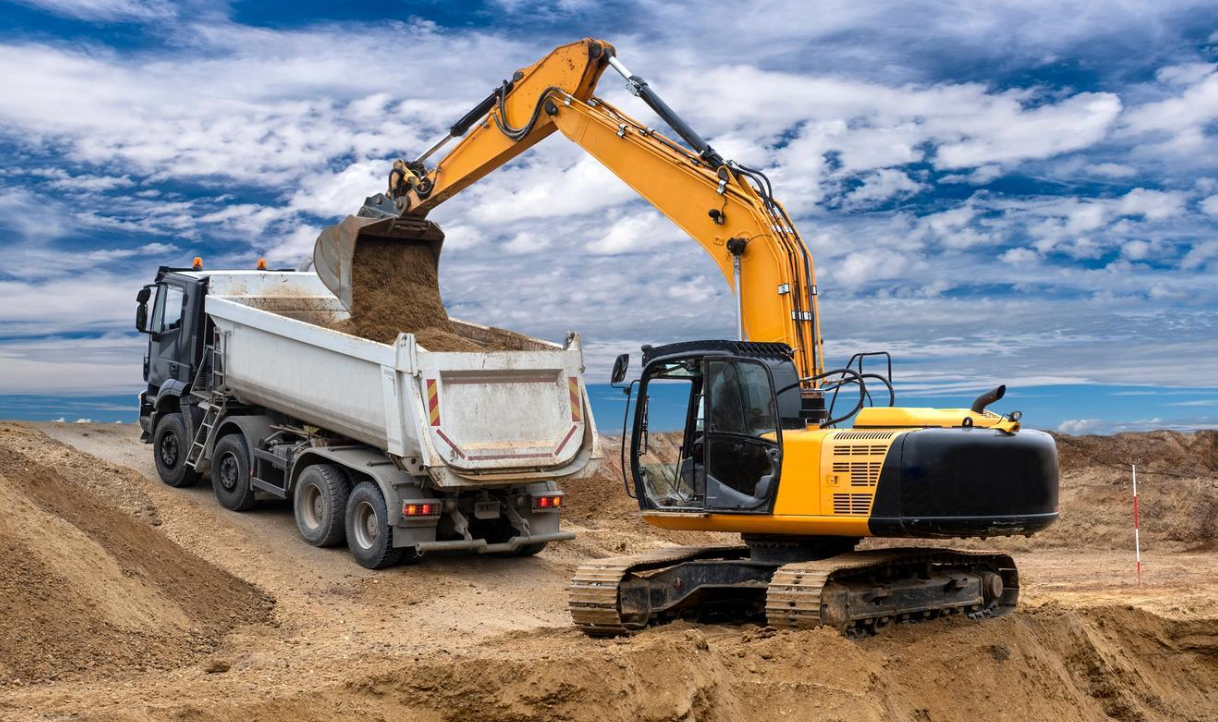
Bulldozers and Scrapers: Used for excavation, transport, and leveling. Tracked bulldozers provide traction for adverse sites; wheeled models provide mobility. Scrapers handle excavation, hauling, and spreading.
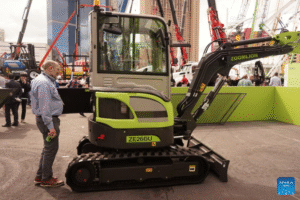
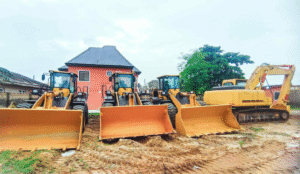
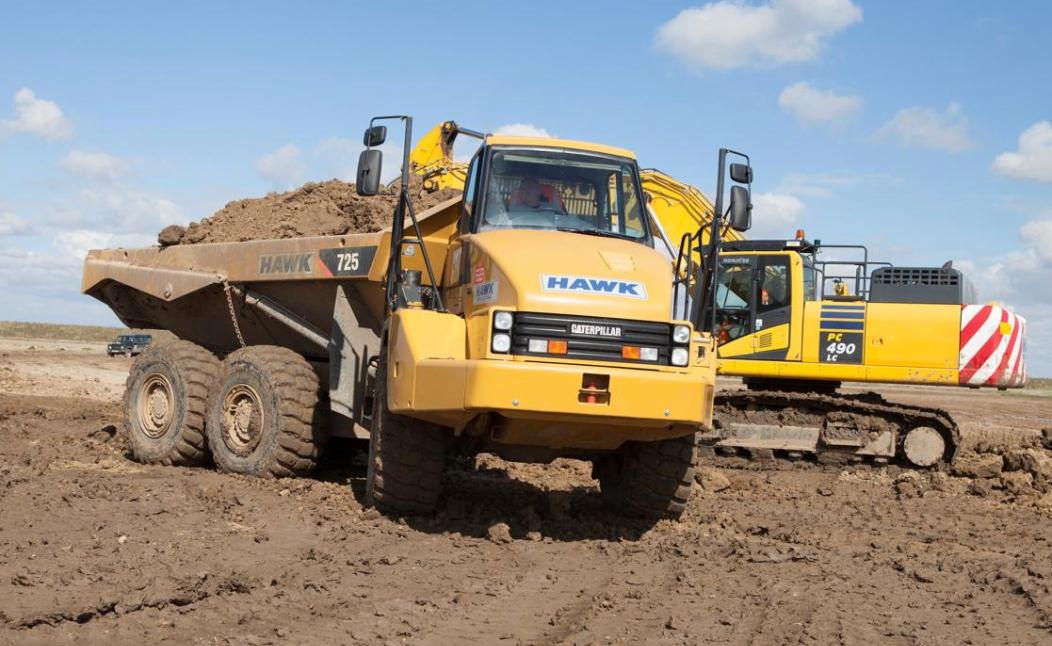
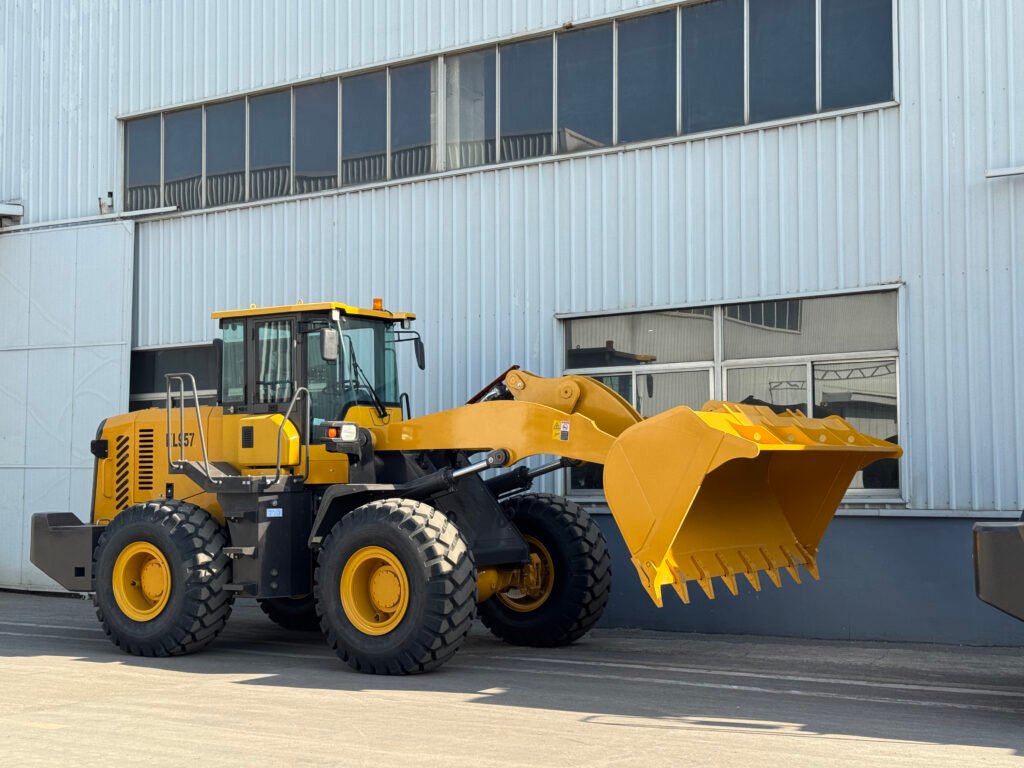
Loaders and Excavators: Wheel loaders handle bulk materials and aggregate loading. Excavators (parameters: operating weight, engine power, bucket capacity) match workload and truck capacity.
2. Grading and Compaction
Motor Graders: Shape the subgrade to specified slope and camber. A 14–15 tonne class machine (150 HP) provides a balance for medium projects; 18-tonne class is required for large highways.
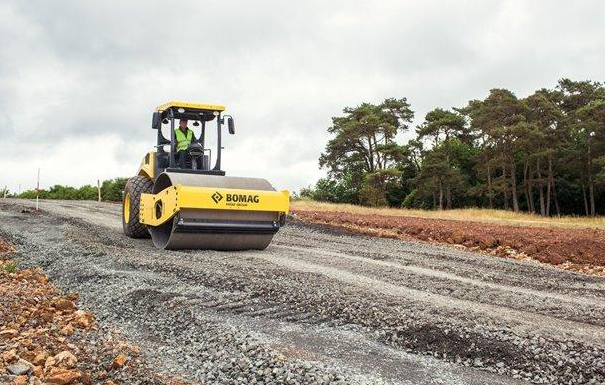
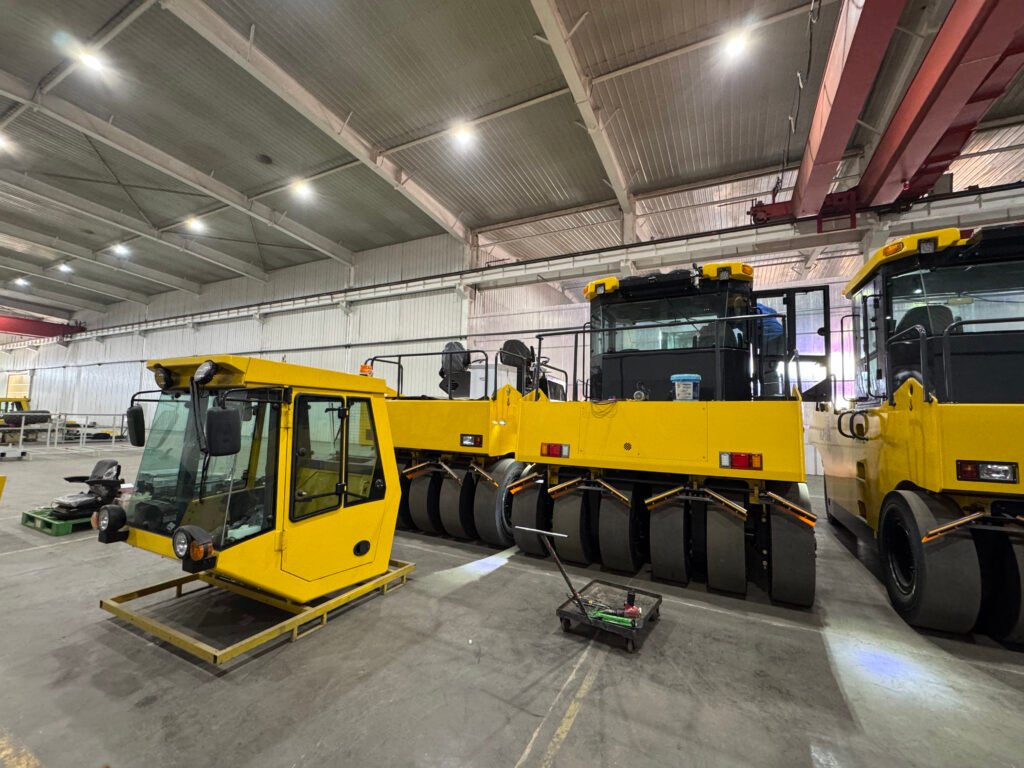
Rollers: Steel drum and pneumatic types densify layers. Vibratory single-drum rollers apply to granular soils; padfoot drums apply to cohesive soils. Double-drum vibratory and pneumatic rollers are required for asphalt breakdown and finishing.
3. Paving and Milling Road Construction Equipment
Pavers: Spread hot mix, classified by width (small <3600mm; medium 4000–6000mm; large 7000–9000mm). Paving output must align with asphalt plant supply to prevent idle time or bottlenecks.
Milling Machines: Applied to remove existing asphalt. 1-meter class for urban patches; 2-meter class for highway resurfacing. Rental is economically preferable for projects without milling requirements.
4. Hauling and Specialized Equipment
Hauling: Articulated dump trucks apply to soft haul roads; rigid trucks apply to established routes. Fleet capacity must match paver production rate.
Specialized: Rock drills create blast holes (pneumatic, hydraulic types). Cement mixing pile rigs treat soft foundations (tri-axial types for high precision). Hydraulic vibratory hammers apply to pile driving.
IV. Common Selection Errors
1. Acquisition based on maximum projected workload
Acquiring equipment for future projects while current workload is limited results in underutilization and depreciation. Rental or subcontracting for isolated large projects is generally more cost-effective than purchasing new road construction machinery.
2. Inadequate consideration of service availability
Productivity depends on uptime. Prior to acquisition, parts availability and technician accessibility must be verified. In remote regions, equipment repairable by local mechanics provides higher availability than sophisticated equipment requiring specialized parts.
V. Appendix: Machinery Selection by Task
| Task / Scenario | Recommended Machinery | Application Notes |
|---|---|---|
| Site Clearing | Motor grader, small bulldozer, air compressor, rock drill | Clearing weeds, topsoil, shrubs, and boulders. |
| Soft Soil Excavation | Motor grader, bulldozer, towed/self-propelled scraper | Grader for leveling; Bulldozer for short haul (<100m). |
| Hard Soil / Rock Excavation | Medium/large bulldozer, rock drill, air compressor | Bulldozers for weathered rock; Rock drills & explosives when rippers fail. |
| General Excavation | Loader, excavator, towed/self-propelled scraper | Wheel loaders for small demand; Track excavators for heavy demand. |
| Trench Excavation | Motor grader, bulldozer, excavator | Grader for side ditches; Excavator for precise pipe trenches. |
| Transportation | Bulldozer, towed/self-propelled scraper, loader, dump truck | Bulldozer (<100m); Towed scraper (<500m); Trucks (>500m). |
| Spreading / Paving | Bulldozer, scraper, motor grader, aggregate spreader | Grader for high-precision spreading; Spreader for strict thickness. |
| Soil Compaction | Static roller, pneumatic roller, vibratory roller, padfoot | Static/Padfoot for clay; Pneumatic/Vibratory for gravel and sand. |
| Asphalt Compaction | Static (pneumatic, vibratory) rollers | Select combinations based on asphalt structure types. |
VI. Pre-Commitment Checklist
Machine capacity matches the required production rate (Adaptability).
Compaction equipment matches the specific soil or asphalt mix.
Hourly cost of ownership is calculated (Economy).
Spare parts and service support are available within the downtime window.
Rental or subcontracting is considered for short-term equipment.
Machinery includes required safety features (Safety).
VII. About Qhmach
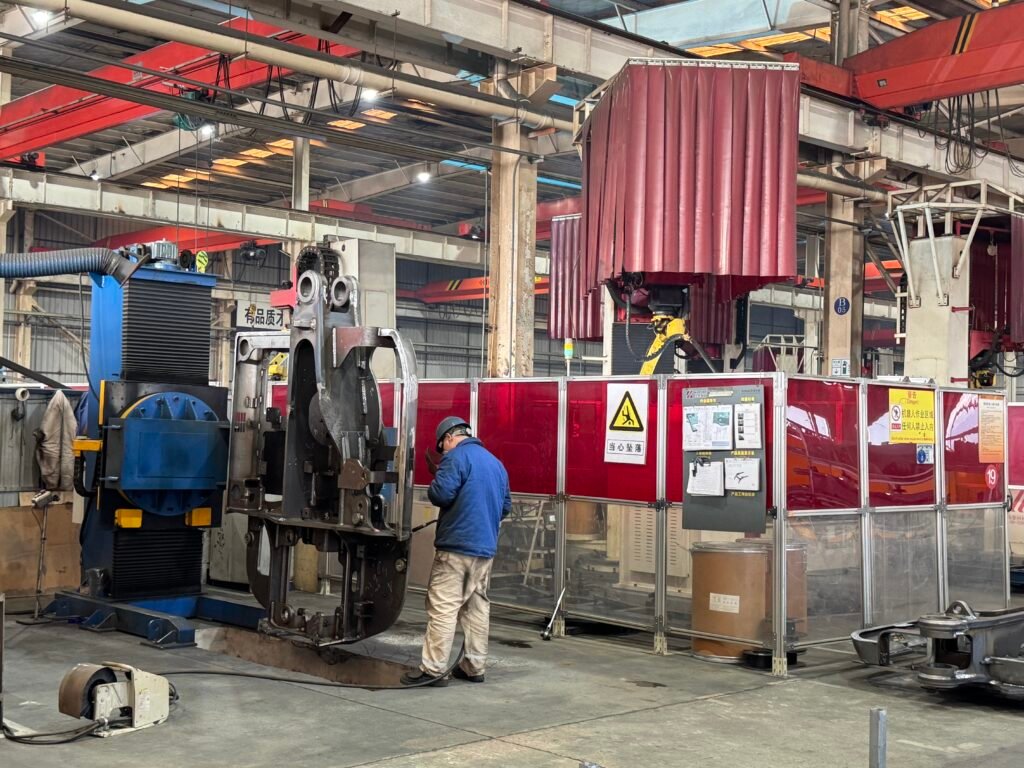
Navigating complex engineering requirements and equipment configurations demands a partner with industry expertise. Qhmach provides reliable construction machinery solutions for global road projects. With a comprehensive equipment portfolio and professional technical support, Qhmach assists clients in systematic construction equipment selection, ensuring an optimal balance between cost and efficiency.
VIII. Conclusion
The proper selection of road construction equipment is a financial and technical determination. The appropriate machine achieves a balance among adaptability, economy, safety, and advancement. Through systematic evaluation and collaboration with professional suppliers providing top-tier construction machinery solutions, projects can achieve delivery at the minimum total cost per unit of finished road while meeting specifications.