I. Introduction: Mini Excavator vs Skid Steer
In compact construction, skid steer loaders and mini excavators are two primary types of equipment. They demonstrate irreplaceable value in confined spaces, yet their core designs differ significantly, leading to distinct optimal application scenarios. Making the correct choice can not only enhance work efficiency but also effectively control project costs. This article provides a clear decision-making basis through an objective, multi-dimensional comparison.
II. Core Positioning of the Equipment
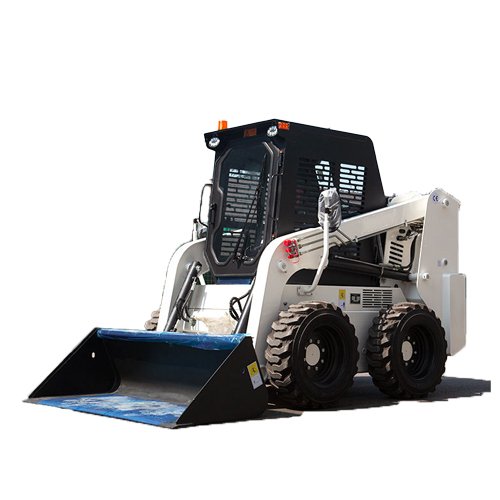
1. Skid Steer Loader
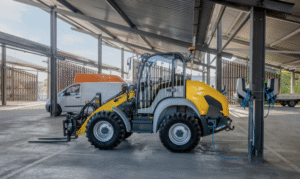
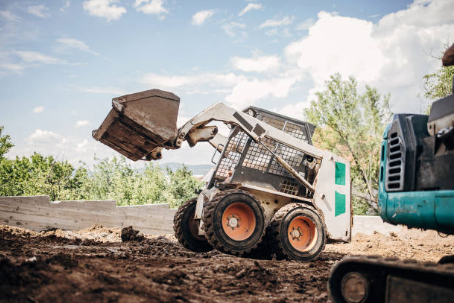
Its core design goal is to achieve “versatility from a single machine,” enabling rapid task switching through the use of various attachments. It utilizes a four-wheel (or compact track) drive and a unique skid-steer system, allowing zero-radius turns by independently controlling the speed of the wheels on each side, granting unparalleled maneuverability in extremely tight spaces.
What is a skid steer used for?
Primarily, it serves as a versatile tool carrier for tasks like loading, material handling, site cleanup, and landscaping with quick attachment changes.
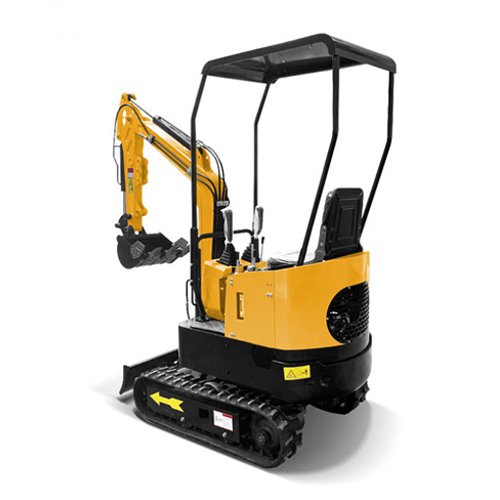
2. Mini Excavator
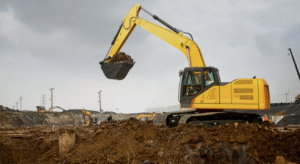
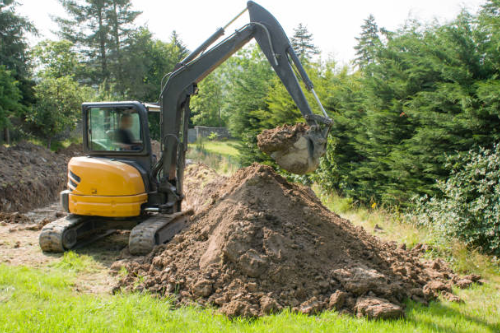
Essentially a professional, compact excavation device. Its core consists of a powerful hydraulic boom, arm, and bucket, along with an upper structure that offers 360-degree continuous rotation. The tracked undercarriage provides a stable working platform and excellent traction, born for precise and efficient digging operations.
What are mini excavators used for?
They are specialists in tasks such as trenching, foundation digging, precise grading, and demolition where digging power and accuracy are paramount.
III. Key Performance & Scenario Comparison
1. Digging Capability: Specialist vs. Multi-Tasker
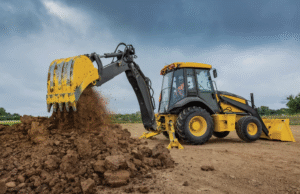
- Mini Excavator: An absolute expert. Its optimized hydraulic system delivers greater digging force(For example, the excavating force of Qhmach WW040 is 32kN), deeper depth (2-5+ meters depending on model), and millimeter-level precision. What are mini excavators used for? Primarily trenching, foundation excavation, and precise grading.
- Skid Steer Loader: Can perform light or auxiliary digging with attachments but cannot match a mini excavator’s depth, power, or precision. More suitable for surface material handling and simple trench work.
2. Maneuverability and Material Handling: Speed vs. Flexibility
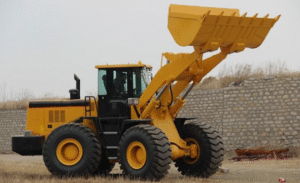
- Skid Steer Loader: On flat, hard surfaces, its maneuverability and speed advantages are clear. Front loader skid steer can move quickly around a worksite for loading, transporting, and stacking materials. Paired with a bucket or forklift attachment, it is an efficient “site utility vehicle.”
- Mini Excavator: Mini excavators move slower, but their 360-degree rotation means they have an extensive working range from a fixed position, covering a wide area without frequent machine relocation. They can also handle materials using grapples or other attachments, though generally not as efficiently as a front loader skid steer for moving tasks.
3. Ground Adaptability and Site Impact
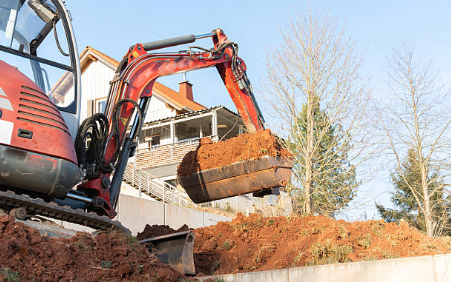
- Mini Excavator: The tracked design of a mini excavator distributes the machine’s weight, resulting in low ground pressure. This allows easy operation on muddy, soft, uneven terrain, as well as sensitive areas like lawns and paved surfaces, with minimal damage.
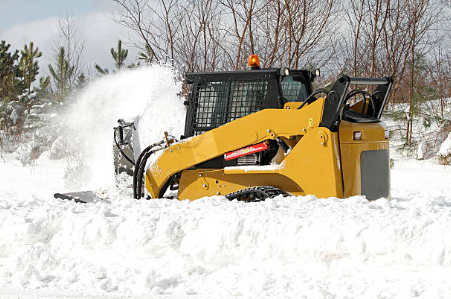
- Skid Steer Loader: A skid steer’s wheeled design can lead to sinking, slipping, and rutting on soft ground, potentially causing damage. It performs best on hardened, level surfaces.
4. Versatility: Breadth and Depth of Attachments
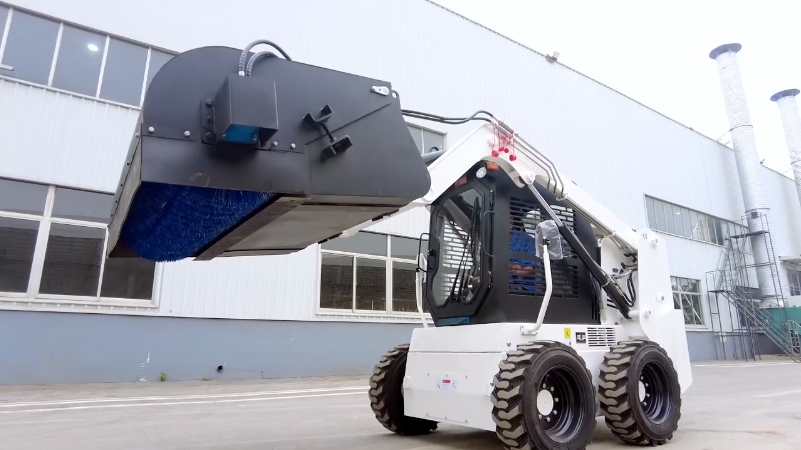
- Skid Steer Loader: Its greatest appeal lies in its extremely rich, universal attachment system. From buckets, forklifts, snow plows, and augers to breakers and sweepers, tasks can be switched in under a minute, quickly adapting to various miscellaneous jobs from site cleanup and material handling to light demolition and landscape maintenance.
- Mini excavator: They also possess numerous specialized attachments like hydraulic thumbs, compactors, augers, and grapples. However, these attachments often focus on extending digging capabilities or performing specialized work (like demolition, forestry), offering slightly less general versatility than skid steer attachments.
IV. Operational Economics Analysis
1. Initial Investment and Rental Costs:
Base model skid steer loader cost may be more competitive initially, but high-end, multi-functional models can be pricey. Mini excavator cost is typically directly related to its size (tonnage) and digging performance. In the rental market, daily rates for both are influenced by region, model, and season and require specific comparison; often, due to higher supply, skid steer loader cost for rental may be slightly lower.
2. Operational and Maintenance Costs:
Direct Operating Costs:
- Fuel Consumption: Front loader skid steer, with engines designed for overall efficiency, often offer better fuel economy in routine material handling tasks. Mini excavators consume more fuel during intensive digging.
Maintenance Frequency: Front loader skid steer typically have shorter routine maintenance intervals (e.g., oil changes around 500 hours), but the tasks are relatively simple. Mini excavators may have longer intervals (e.g., 1000 hours), but their complex swing mechanisms and more lubrication points require more specialized and frequent care.
Long-Term Ownership Costs:
- Attachment Investment: The front loader skid steer’s attachment system is highly universal; an initial set of attachments can handle many tasks. Specialized mini excavator attachments may require higher investment.
- Resale Value & Depreciation: Both have good demand in the used market. Well-known brands in good condition typically retain higher residual value.
Quick-Reference Comparison Table
For a clear overview of the key differences discussed above, refer to the following comparison table:
| Aspect | Skid Steer Loader | Mini Excavator |
|---|---|---|
| Core Purpose | Multi-task platform, versatile | Dedicated digging machine |
| Main Uses | Loading, moving materials, site cleanup | Trenching, foundations, precise grading |
| Digging Ability | Light digging only | Deep, powerful, precise digging |
| Mobility | Fast, zero-turn on hard surfaces | Slow travel, 360° rotation on site |
| Ground Type | Hard, flat surfaces only | All terrains, soft ground friendly |
| Attachments | Many quick-change tools | Specialized digging attachments |
| Purchase Price | Low to medium | Medium to high |
| Rental Cost | Usually lower | Usually higher |
| Fuel Use | Efficient for light work | High during digging |
| Maintenance | Simple, frequent | Complex, less frequent |
| Stability | Care needed on slopes | Very stable on slopes |
| Cab | Usually enclosed | Often open |
V.Decision Path: How to Choose?
Follow this three-step method to clearly define your needs:
1. What is the core task?
If >60% of the work involves precise excavation, trenching, or pit digging, choose a mini excavator.
If >60% involves material handling, site cleanup, loading, and multi-task switching, choose a skid steer loader.
2. What are the ground conditions?
Primarily soft soil, turf, uneven ground, or surfaces needing protection: prioritize a mini excavator.
Primarily hardened, level ground: a front loader skid steer’s efficiency advantages are fully realized.
3. Does the budget prioritize initial investment or long-term efficiency?
For a single, well-defined long-term digging project, a dedicated mini excavator, despite a potentially higher mini excavator cost upfront, delivers higher productivity and lower cost per unit.
For projects with varied and changing tasks, one front loader skid steer with multiple attachments may be a more economical and flexible choice, considering the total skid steer loader cost including attachments.
VI. Conclusion
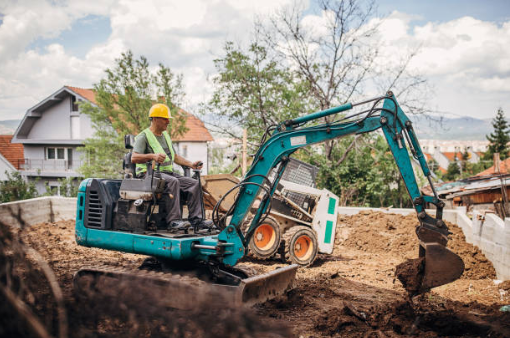
For many contractors, the ideal equipment fleet often includes “one loader, one excavator” – owning both a skid steer for handling/utility work and a mini excavator for professional digging to maximize on-site productivity.
If owning both isn’t possible, strictly follow the decision logic above: match the equipment’s core strength to the project’s primary requirement. Before finalizing your decision, it is highly recommended to conduct a short-term trial rental of the target machine to verify its performance in actual working conditions – this is the most effective way to mitigate selection risk.
Qhmach Construction Machinery Manufacturer Professional Support
As a professional construction machinery manufacturer, Qhmach offers a variety of excavators and loaders in different capacities and functionalities, and we can customize them to suit your specific requirements. If you have any machinery needs or related questions, feel free to communicate with our machinery experts, and we will be happy to assist you.