In modern construction, road roller equipment is essential for road building, earthwork, and foundation treatment, enhancing soil and asphalt density for durability. Various types, including static, vibratory, and pneumatic tire rollers, cater to different needs. Selecting the right roller requires considering project requirements, environments, and budgets. This article reviews key factors for choosing rollers and recommends notable road roller manufacturers like Qhmach, LonKing, and Liugong, while highlighting the importance of after-sales service for long-term equipment reliability. Understanding these elements helps readers make informed purchasing decisions.
Introduction
In modern engineering construction, road roller equipment plays a crucial role as essential machinery. They are primarily used in road construction, earthwork, and foundation treatment, where effective compaction operations enhance the density of soil and asphalt, ensuring the smoothness and durability of roads. With the acceleration of urbanization and the increasing demand for infrastructure construction, the application range of rollers is continuously expanding.
However, the market offers a wide variety of rollers, from single steel wheels to double steel wheels, rubber-wheeled, and vibratory rollers, each suited for different construction scenarios and needs. This diversity makes selecting the right roller a complex task. Different project requirements, working environments, and budget constraints can all influence decision-making. Moreover, the quality and performance of rollers directly relate to construction efficiency and project quality, necessitating a certain level of expertise when making a purchase.
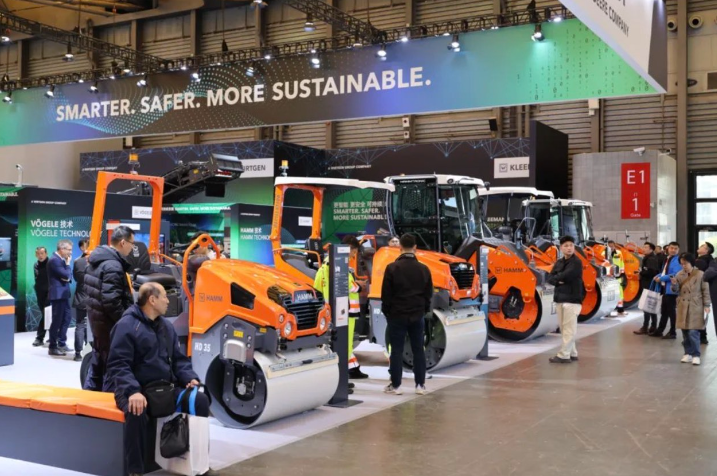
To help you better understand the selection process for rollers, this article will provide a detailed overview of the types of road roller equipment, factors to consider during selection, recommendations for major road construction equipment manufacturer, and the importance of after-sales service. Whether you are an engineering contractor, construction unit, or equipment procurement officer, this article will offer practical guidance and advice to assist you in making informed decisions when you buy a road roller.
II. What is Road Roller?
A road roller is a type of engineering machinery that compacts materials such as soil, asphalt, and gravel through its own weight or vibratory force. This road roller equipment is primarily used in the construction of infrastructure such as roads, railways, airports, and embankments, effectively increasing the density and load-bearing capacity of the foundation or pavement, thereby enhancing the stability and durability of the engineering structure.
The road roller can be traced back to the mid-19th century with steam rollers. Over the years, it has developed into a diverse range of equipment with well-defined functions. According to the international standard ISO 6165, road roller equipment is mainly categorized into static, vibratory, rubber-tired, and combination types.
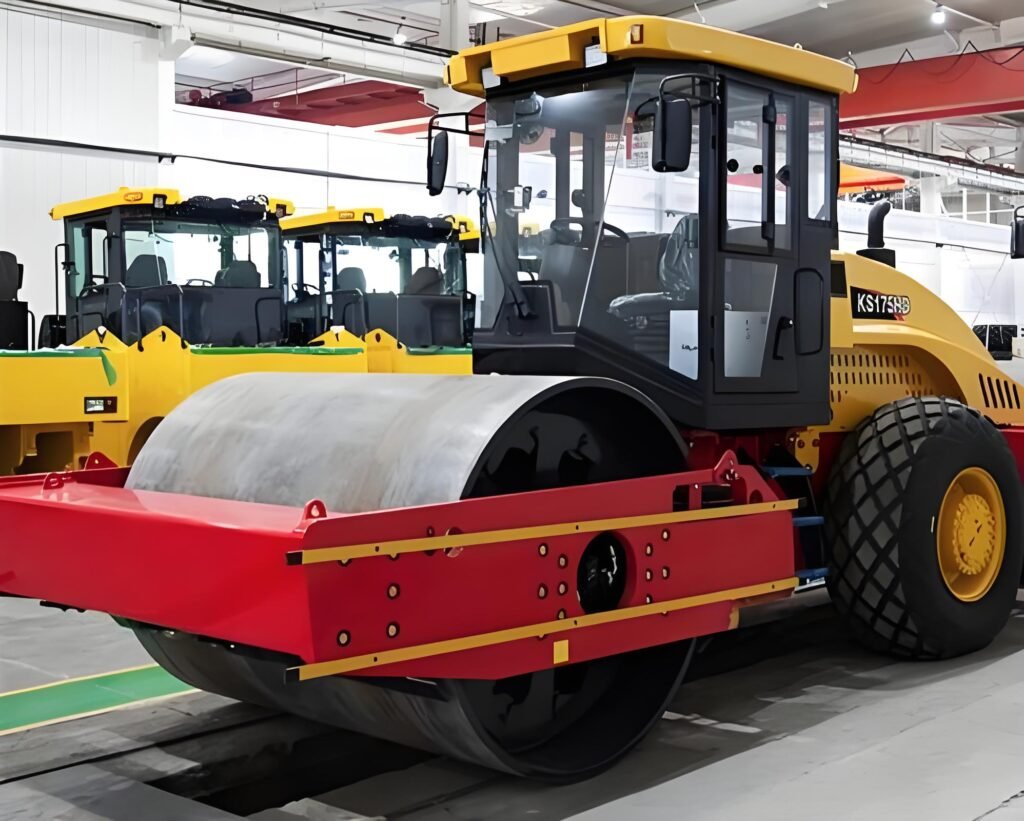
The core functions of a road roller include:
Increasing Material Density: By compacting materials, it reduces the voids between them, making the structure denser and more resistant to compression. Static road roller apply sustained pressure through their weight, while vibratory road roller use high-frequency vibrations to rearrange and tightly bond particles. Impact devices use strong impacts to break down loose structures, forming a more stable foundation. Research shows that proper compaction can significantly reduce material porosity and increase compressive strength by 2-3 times. In highway construction, the rebound modulus of the compacted sub grade can also be doubled, significantly improving road performance.
- Enhancing Surface Smoothness: A smooth surface contributes to improved driving comfort and extends the lifespan of the pavement. Modern road roller equipment is equipped with advanced leveling control systems: tandem road roller can eliminate material accumulation through vibratory compaction, while pneumatic tire roller use the flexible “kneading” action of multiple wheels to smooth out surface marks. By adopting a reasonable combination of compaction processes, the smoothness of asphalt pavement can be controlled within 3mm/4m, effectively reducing fuel consumption by 10%-15%.
- Increasing Road Durability: A dense structure effectively prevents moisture penetration, reducing deformation and cracking caused by rainfall or heavy loads. Data shows that for every 1% increase in compaction, the fatigue life of the road can be extended by about 15%. Modern intelligent rollers are also equipped with compaction monitoring systems to ensure even construction and avoid localized weak points, thereby reducing future maintenance costs by 30%-40%.
III. Detailed Analysis of Road Roller Equipment
1. What is Static Roller?
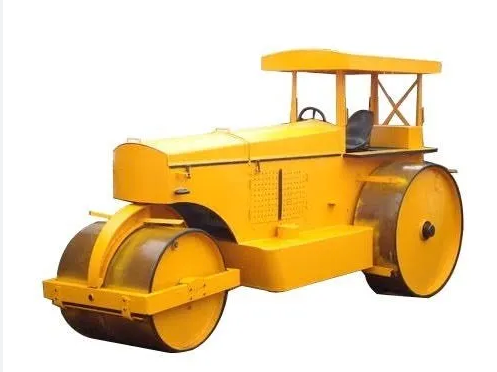
Working Principle: Static rollers apply continuous static pressure to materials through their own weight, without the need for vibration or impact force.
Suitable Characteristics: They provide uniform compaction without disturbing the material structure, making them ideal for vibration-sensitive materials or construction areas, such as urban roads, above pipelines, and asphalt surfaces.
Advantages: Simple structure, easy maintenance, and a smooth compaction surface.
Limitations: Limited compaction depth; not suitable for thick layers.
Usage Recommendations: Best for fine compaction work on thin surface layers where vibration is a concern.
2. What is Vibratory Roller?
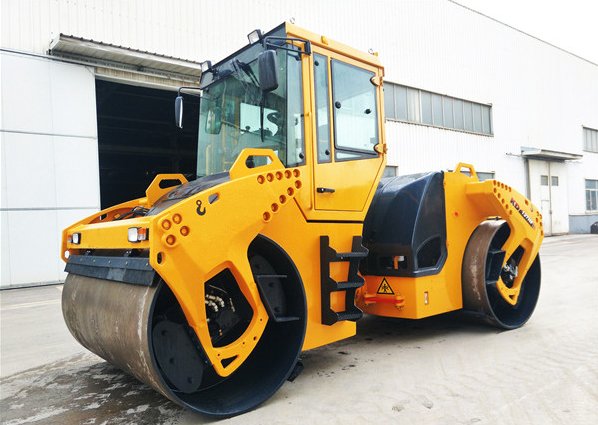
Working Principle: These rollers utilize high-frequency vibration combined with mechanical weight for deep compaction.
Suitable Characteristics: Particularly effective for granular materials (like sand and gravel), with adjustable amplitude and frequency to meet varying compaction needs.
Advantages: Greater compaction depth and high efficiency, suitable for most foundational projects.
Limitations: High vibration and noise levels; not suitable for vibration-sensitive areas.
Usage Recommendations: Ideal for high-grade highways, airport runways, and large-scale industrial foundations.
3. What is Pneumatic Tire Roller?
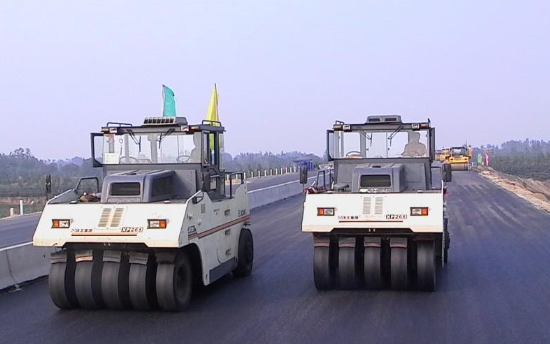
Working Principle: Achieve uniform compaction through the flexible kneading action of multiple inflatable tires.
Suitable Characteristics: Especially suitable for the final compaction of asphalt mixtures, effectively smoothing out surface marks; tire pressure can be adjusted to accommodate different materials.
Advantages: Smooth compaction with an attractive surface, leaving no significant roller marks.
Limitations: Not suitable for deep compaction; less adaptable to complex foundations.
Usage Recommendations: Suitable for urban roads, bridge decking, and the final compaction of asphalt surfaces.
4. What is Impact Roller?
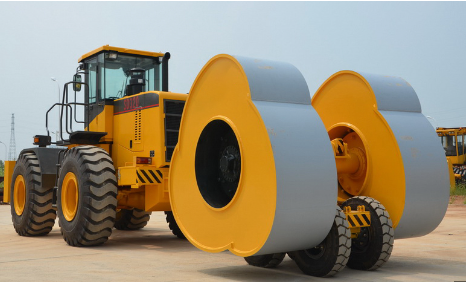
Working Principle: Generate periodic impacts during high-speed movement of polygonal steel wheels to achieve deep compaction and break up old structures.
Suitable Characteristics: Capable of performing both compaction and breaking functions, with a deep compaction depth, ideal for heavy loads or complex geological conditions.
Advantages: Strong penetration and high compaction efficiency, suitable for high embankments or special foundations.
Limitations: High impact force can affect nearby structures, with elevated noise levels during operation.
Usage Recommendations: Ideal for airport runways, high-fill embankments, and large-scale industrial base improvement projects.
5. What is Hand Held Road Roller?
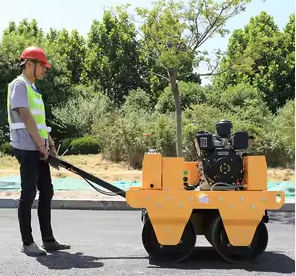
Working Principle: Small rollers operated manually, commonly used in confined spaces. Ideal for small-scale projects and confined spaces, such as municipal road repairs, rural road upgrades, landscaping bridges, and community roads. They can also be used for trench filling or as supplementary rollers for larger machines.
Suitable Characteristics: Can flexibly enter narrow areas for construction, suitable for small-scale repairs or edge compaction.
Advantages: Lightweight, portable, easy to operate, and highly adaptable.
Limitations: Limited compaction capability; not suitable for thick layers or heavy loads.
Usage Recommendations: Best for sidewalks, trench backfill, landscaping, and small municipal repair tasks.
6. What is a Sheepsfoot Roller?
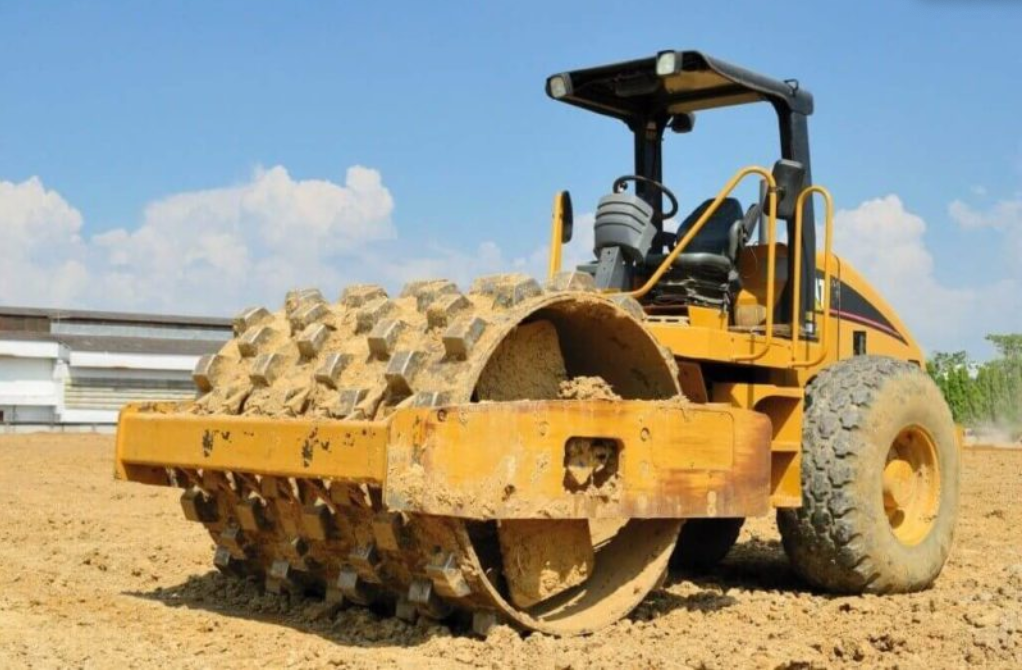
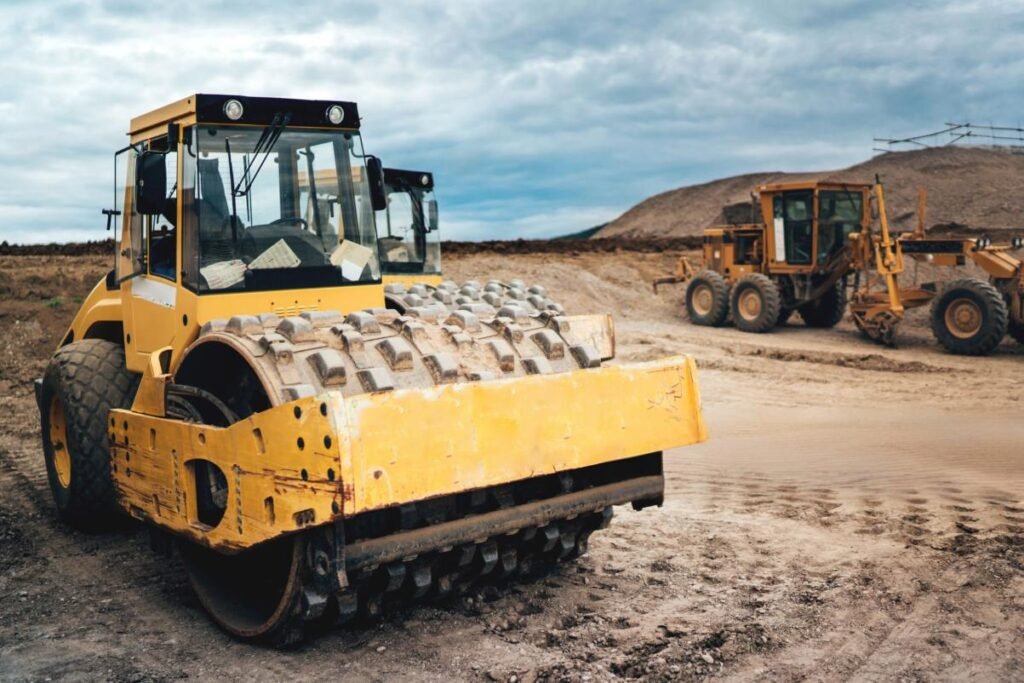
A Sheepsfoot roller is a specialized type of compaction equipment designed with large, rounded feet (or pads) on the drum. This unique design allows for effective compaction of cohesive soils, such as clay and silt, by providing a kneading action as the roller moves over the material.
Working Principle: The Sheepsfoot roller works by applying both static weight and kneading pressure from the feet, which penetrate the material to achieve deep compaction.
Suitable Characteristics: Particularly effective for compacting cohesive materials and achieving high density in soil layers, making it ideal for subgrade preparation in road construction.
Advantages: Excellent at reducing air voids and achieving a high degree of compaction in cohesive soils, which enhances stability and strength.
Limitations: Less effective on granular materials and may not provide the same level of smoothness as other roller types.
Usage Recommendations: Best suited for earthworks, embankments, and subgrade compaction where cohesive soils are present, such as in the construction of highways, dams, and foundations.
In practice, relying solely on one type of roller often makes it challenging to complete the entire compaction process. A combination of large, medium, and small rollers, or various types, may be necessary.
IV. Factors to Consider When Buy Road Roller
1. Working Environment
Terrain and Soil Type: The terrain and type of soil are critical in determining the suitable road roller. For cohesive materials, a static roller is recommended. Within static rollers, three-wheel rollers are preferred for subgrade compaction, while two-wheel rollers are used for surface compaction. Sheepsfoot roller is ideal for compacting cohesive soils, particularly for sealing layers in dam constructions, but they are not suitable for surface layers like 2Y8x10B.
2. Compaction Requirements
Different Project Standards: Different projects have varying compaction standards. For non-cohesive materials, a vibratory roller, such as the Qhamch double-drum vibratory roller WD136HF or the single-drum vibratory roller WS125D, should be selected.
3. Material Moisture Content
Low Moisture Content: When the moisture content of the material to be compacted is low and it is difficult to add water, a heavy-duty roller is necessary.
High Moisture Content: Conversely, if the material has a high moisture content and lower dry density requirements, a lightweight roller is preferable.
V. China Road Construction Equipment Manufacturer Recommendations
1. Road Roller Manufacturer Qhmach
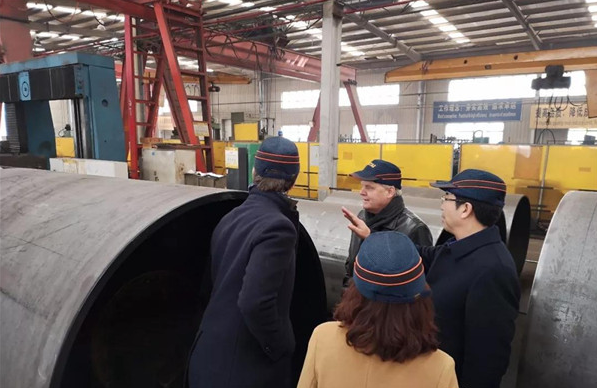
Qhmach, established in 2003, is a renowned road roller compactor manufacturer and a leading road construction equipment manufacturer. The company specializes in the development, manufacturing, and sales of road construction equipment, particularly focusing on roller compactors.
As a modern enterprise, Qhmach integrates research and development with high-end structural components. Our roller compactor product line includes a comprehensive range of over 60 models of fully hydraulic roller compactors, such as fully hydraulic single drum roller, fully hydraulic double drum roller, fully hydraulic pneumatic tire roller, and Landfill compactors.
With a weight range from 3 tons to 36 tons, our products are designed to meet the compaction needs of various pavement engineering projects. Qhmach is committed to delivering high-quality, efficient solutions for the road construction industry, ensuring optimal performance and reliability for our customers.
2. Road Roller Manufacturer LonKing
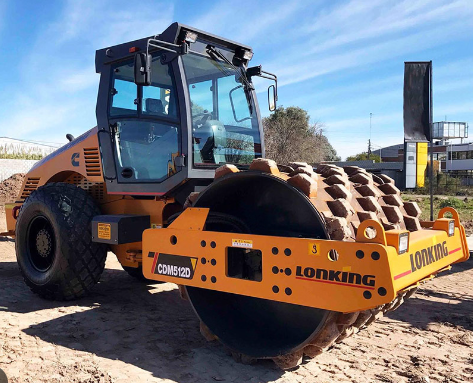
China Lonking Holdings Limited, abbreviated as “Lonking,” is a large engineering machinery enterprise founded in 1993 in Fujian. As a prominent road construction equipment manufacturer, Lonking has established itself through strong technical research and development capabilities, as well as advanced equipment.
The company has independently developed and manufactured over 500 models of complete machinery products in four main categories: loaders, excavators, forklifts, and roller compactors. In addition to these robust machines, Lonking also produces high-quality core components such as precision hydraulic systems, hydraulic cylinders, gear pumps, valves, and cooling system pipelines.
With a commitment to innovation and excellence, Lonking continues to serve the construction industry with reliable and efficient equipment, solidifying its position as a leader in the road construction equipment sector.
3. Road Construction Equipment Manufacturer LiuGong
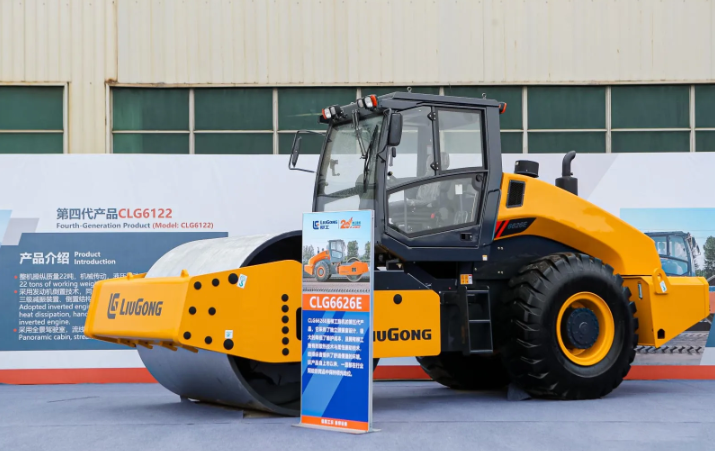
Liugong, founded in 1958, is a prominent manufacturer in the engineering machinery industry and a leading brand in the domestic loader sector. As a publicly listed company, Liugong focuses on the research, development, production, and sales of engineering machinery.
With over 20 manufacturing bases worldwide, Liugong produces a diverse range of products, including excavators, loaders, bulldozers, graders, roller compactors, cranes, aerial work platforms, and milling machines. Their equipment is exported to more than 170 countries and regions globally, showcasing Liugong’s commitment to quality and innovation in the engineering machinery market.
VI. Budget and Cost-effectiveness of Buy Road Roller Equipment
Develop a Budget for Purchasing Road Roller Equipment
Before purchasing a roller compactor, it is essential to establish a reasonable budget based on project requirements and financial conditions. As a road roller manufacturer, we recommend that you consider the project’s scale, duration, and the type of equipment needed. A well-defined budget will not only help you select the appropriate roller compactor but also avoid unnecessary financial pressure during the construction process.
Cost-Effectiveness Assessment
Evaluating cost-effectiveness is crucial among the numerous brands and models of roller compactors. You should compare the performance and road roller price of different road roller manufacturer. By focusing on technical specifications, user reviews, and after-sales service, you can choose the best roller compactor, ensuring maximum efficiency and minimal costs during construction.
VII. After-sales Service and Support for Road Roller Equipment
Importance
When selecting a roller compactor, good after-sales service is vital for ensuring the long-term stable operation of the equipment. As a reliable road roller manufacturing company, we understand the potential issues that may arise during the use of equipment, which is why providing comprehensive after-sales support is a key responsibility. Quality service not only reduces downtime but also enhances construction efficiency.
Selection Criteria
When choosing a roller compactor, it’s essential to consider the coverage of the after-sales service network, repair response time, and availability of spare parts. Ensure that the brand you select, can provide timely technical support and maintenance services, which are critical for the long-term usage of the equipment.
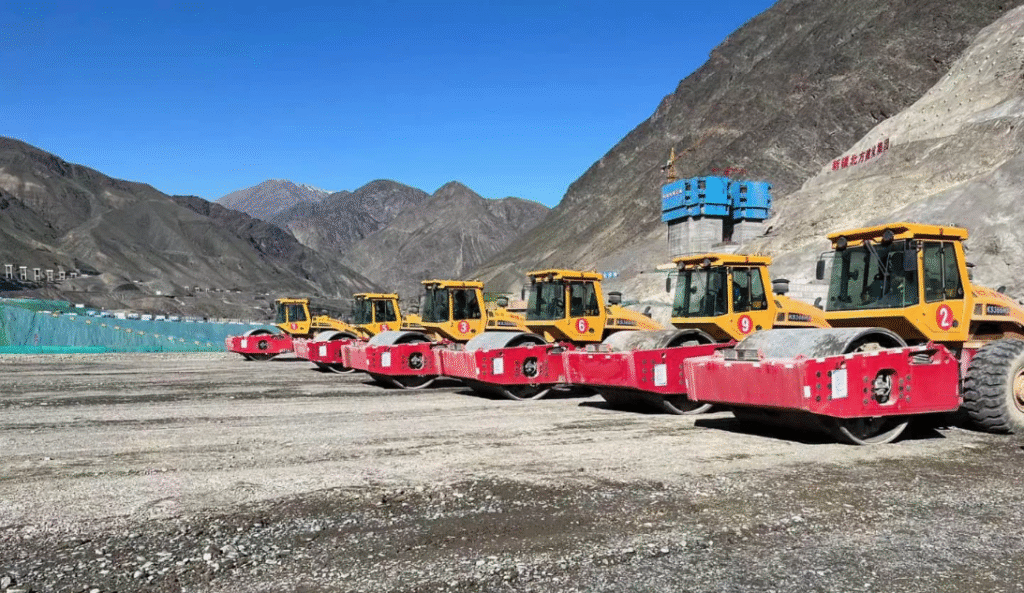
Qhmach Road Roller Service Support:
1. Technical Support and Training
We have established a 24-hour customer support channel, including email, phone, and video conferencing. This allows us to monitor equipment status in real-time and quickly address any issues customers may encounter during use. Depending on customer needs, we can dispatch an experienced technical team to the site for guidance and training, helping customers operate and maintain various construction road roller equipment models proficiently.
2. Technical Support and Training
We offer a global limited warranty, covering all equipment for 12 months or 2,000 hours of use. During this period, we provide free repairs or replacement parts for defects not caused by human factors. For urgent parts needs, we ship via international courier (DHL or UPS), with delivery expected within 5-7 business days, with shipping costs borne by the customer. Standard parts for new orders will be shipped alongside the equipment at no additional cost.
3. Road Roller Equipment Regular Follow-Up Service
We have implemented a systematic customer follow-up mechanism to ensure that sold equipment operates stably. This includes scheduling follow-up visits to avoid disrupting normal production, conducting on-site inspections and maintenance, and providing performance evaluations and maintenance recommendations. We also value customer feedback and continually improve our service quality to meet changing customer needs.
By choosing Qhmach, you can be assured of comprehensive support that enhances the performance and longevity of your road roller equipment.
VII. Road Roller Equipment Purchasing Channels
Online Road Roller Purchase
Purchasing a roller compactor online is a convenient option, allowing you to easily compare prices and performance. When selecting an online platform, make sure to choose a reputable website, particularly those well-known road construction equipment manufacturers like Qhmach, to ensure product quality and after-sales service.
Road Roller Equipment In-Store Purchase
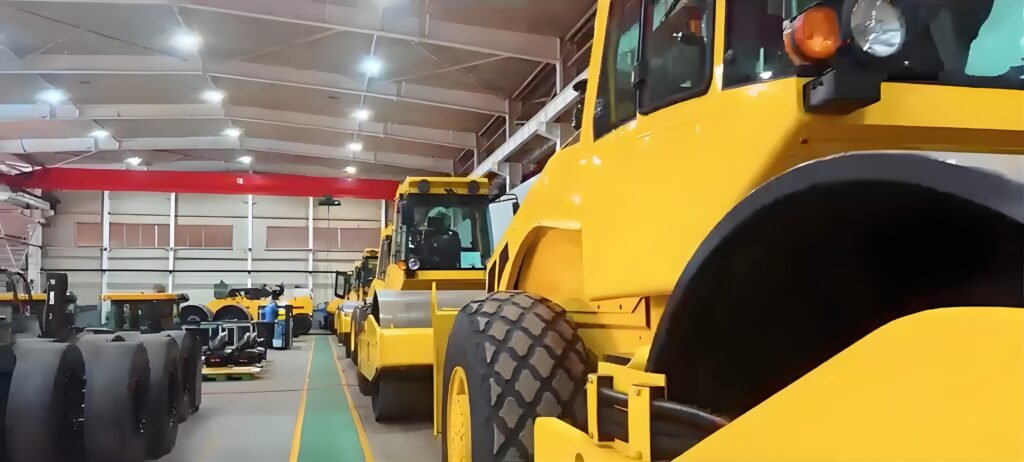
If you prefer to see the equipment firsthand and receive professional advice, in-store purchasing is an ideal choice. This method is particularly suitable for users with specific requirements, as it allows for a better understanding of the features and advantages of different models.
Compactor Road Roller Certified Dealers
Choosing certified dealers ensures that you purchase high-quality roller compactors and receive excellent after-sales service. Certified dealers typically collaborate with multiple road roller manufacturers, offering a diverse range of product options and professional technical support.
VIII. Conclusion
Choosing a roller compactor is an important investment decision. Understanding the different types of roller compactors, their suitable applications, performance characteristics, brand recommendations, and after-sales service information will help you make an informed choice. We hope this article provides you with valuable insights to successfully complete your project.
FAQ
When selecting and using a road roller equipment, users often encounter common questions. Here are some frequently asked questions and their answers to help you better understand the selection and use of roller compactors:
How do I choose the right road roller equipment for my project?
First, assess the project’s scale, soil type, and compaction requirements. Based on these factors, select the appropriate type of roller compactor, such as a single drum, double drum, or pneumatic roller.Is it more cost-effective to buy a new road roller equipment or a used one?
New roller compactors generally offer advantages in performance and after-sales service, while used ones are cheaper but may have potential maintenance issues. You should make a choice based on your budget and project needs.What maintenance considerations should I keep in mind for roller compactors?
Regularly check hydraulic oil, tire pressure, and the vibration system to ensure the machine operates at its best. Additionally, follow the manufacturer’s maintenance recommendations to extend the equipment’s lifespan.How do I assess the cost-effectiveness of a road roller compactor?
Compare the performance, price, and after-sales service of different brands and models. Review user feedback and case studies to determine which roller compactor best meets your needs.Is operating a road roller equipment complicated?
Modern roller compactors are designed with ergonomics in mind, and most equipment is equipped with easy-to-use control interfaces. It is recommended to train operators to ensure safe and efficient use of the equipment.