I. Introduction
This article analyzes the 2025 transformation of the global construction equipment industry. It examines the shift from competing on hardware specs to competing on intelligent software, driven by electrification, automation, and global expansion. By reviewing strategies of key players like Caterpillar, Komatsu, Sany, and XCMG, it provides actionable insights for industry professionals and investors navigating the new competitive landscape.
II. The New Competitive Logic
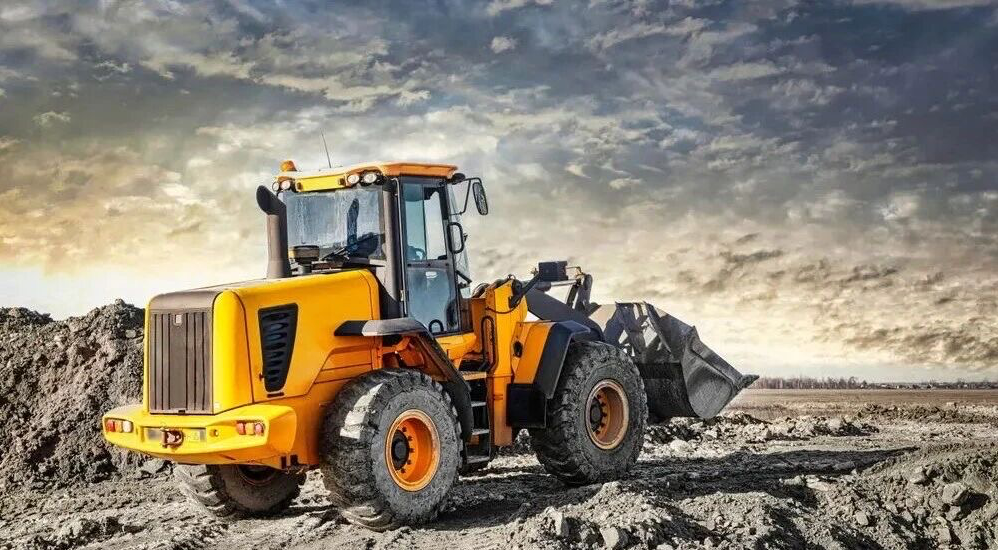
For decades, the loader machinery sector equated size with market power. However, new flagship models from giants like Caterpillar and Komatsu are overturning this logic. The construction equipment industry has reached an inflection point: with mechanical potential nearing its limit, future competition now hinges on the “soft power” of energy management and intelligent algorithms.
This defines the historic restructuring in 2025, driven by electrification, intelligence, and internationalization. Leading construction equipment manufacturers in world are accelerating their strategies, while new champions rise powerfully. This shift is particularly evident in advanced excavator construction equipment, where software now determines performance. Looking at the construction equipment industry outlook, this transformation is propelling the entire sector into a new developmental cycle.
III. Construction Equipment Manufacturers in World
1. Caterpillar: Intelligent Renewal of a Century-Old Enterprise
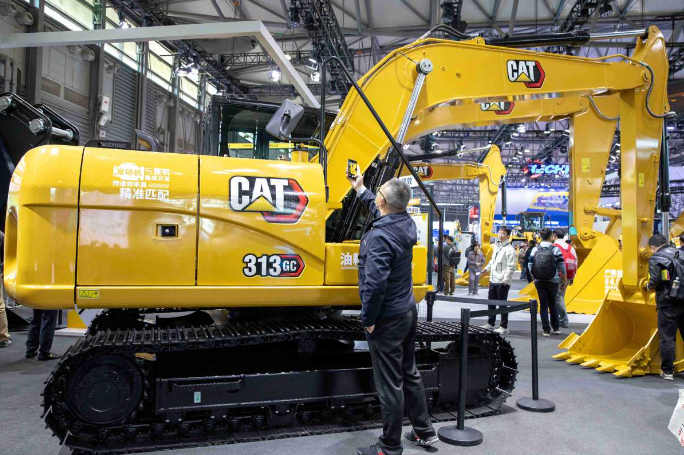
Performance: Q3 2025 revenue reached $16.5 billion, an 18% year-on-year increase, with the construction equipment business contributing over 60%.
R&D Focus: Allocated 40% of its $2.5 billion R&D investment to intelligence and electrification.
Product Innovation: Launched an intelligent excavator construction equipment model equipped with an AI-assisted operating system, enabling automatic path planning and real-time condition monitoring.
Strategic Core: Emphasizes that technology integration means a complete reshaping of construction methods, not merely product upgrades.
2. Komatsu: Lean Manufacturing and Digitalization in Dual Drive
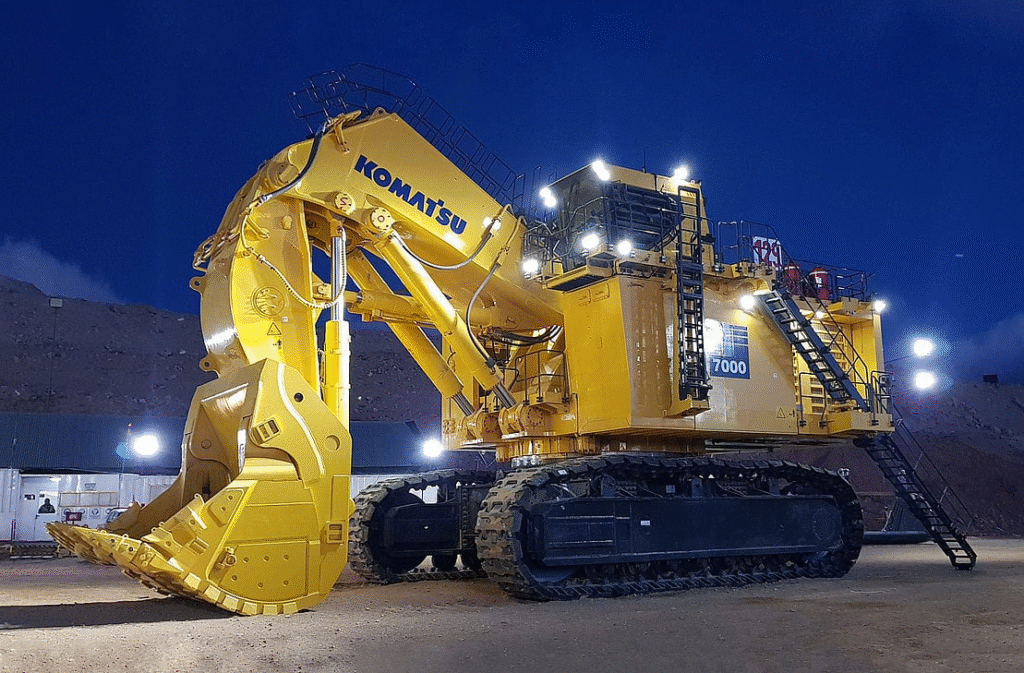
Performance: Revenue exceeded ¥2.8 trillion in the first three quarters, with overseas markets accounting for 78%.
System Innovation: Created the unique “Smart Construction Ecosystem,” integrating equipment monitoring, predictive maintenance, and construction optimization.
Technical Breakthrough: The newly launched PC7000 electric hydraulic excavator construction equipment uses hybrid power technology, reducing fuel consumption and carbon emissions by 35% and 40% respectively.
Market Validation: Received over 500 orders for this model in European and American markets, making it an electrification benchmark.
3. Volvo Group: A Pioneer in Green Transition
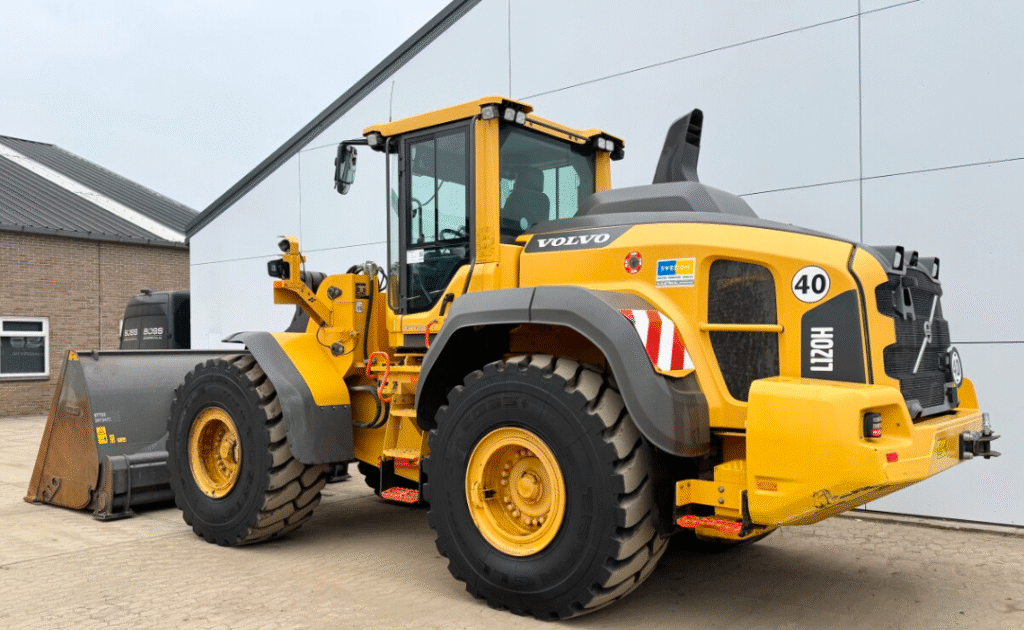
Accelerated Strategy: Advanced the timeline for full-series product electrification to the end of 2026.
Market Leadership: Annual sales of the L120H electric loader exceeded 3,000 units, capturing 45% market share in Europe.
Solution Upgrade: Introduced the industry’s first “Carbon-Neutral Construction Solution,” offering integrated services from electric equipment and renewable energy supply to carbon emission detection, completing a deep transition from product to service.
IV. China Construction Equipment Manufacturers
1. Sany Heavy Industry: The “Game Changer” in Global Layout
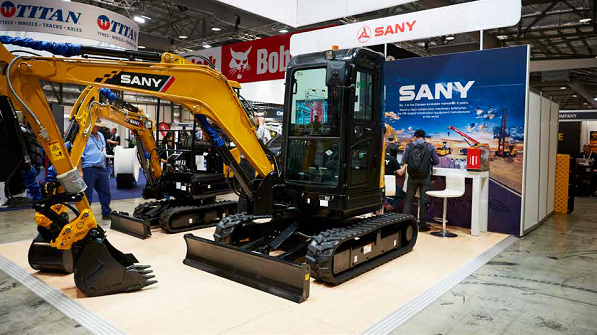
Growth Performance: Jan-Sep 2025 revenue was ¥89.2 billion, up 28% year-on-year; overseas revenue was ¥46.8 billion, exceeding 50% for the first time.
Global Network: Established 28 subsidiaries, 15 manufacturing bases, and 1,200 service points worldwide.
Strategic Goal: Aims for overseas revenue to reach 60% by 2027.
Product Breakthrough: Annual sales of the SY16E electric excavator surpassed 2,000 units, successfully entering high-end markets in Europe and America.
2. XCMG: The “Practical Innovator” in Technology
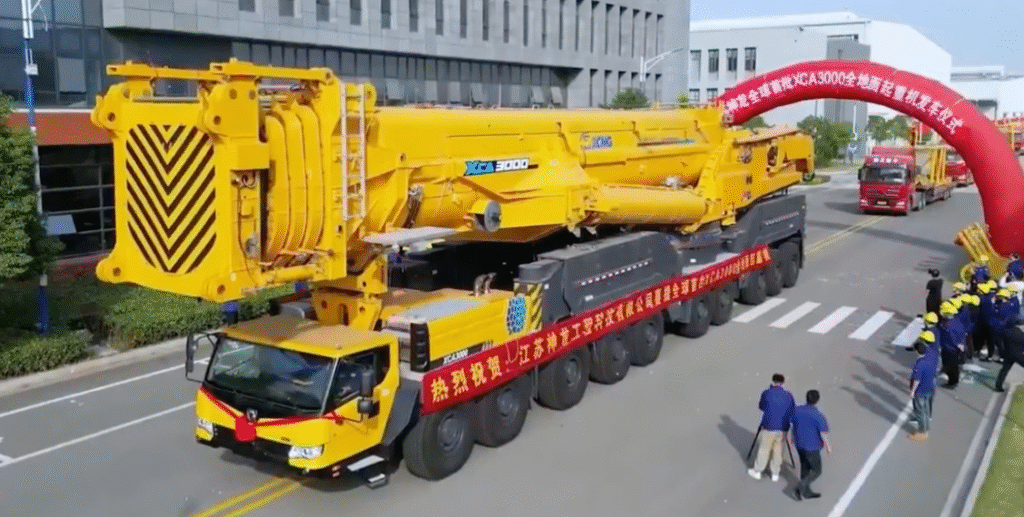
R&D Investment: R&D expenditure reached ¥4.5 billion in the first three quarters, accounting for over 6% of revenue.
Product Benchmark: The XCA3000 all-terrain crane set a new world record with a 3,000-ton lifting capacity.
Electrification Leadership: Annual sales of electric loaders broke 5,000 units, surging 220% year-on-year, achieving a 35% market share.
Smart Manufacturing: Implemented the industry’s first “5G+Industrial Internet” smart factory, achieving full-process digital production upgrade.
3. Zoomlion: The “Benchmark” in Intelligent Manufacturing
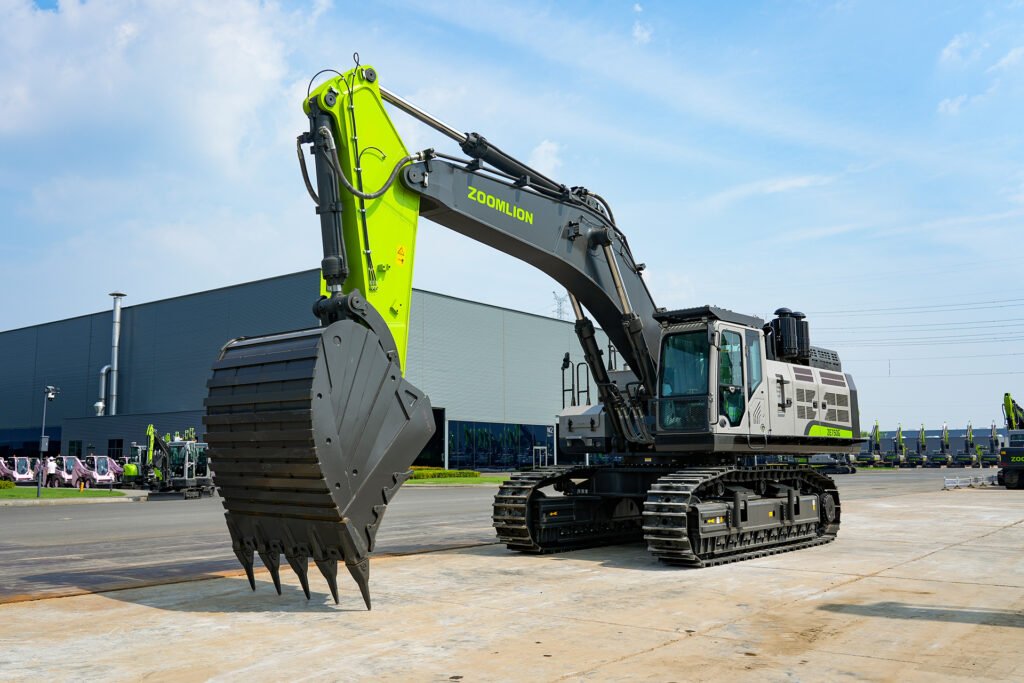
Factory Efficiency: The full operation of its “Lighthouse Factory” increased production efficiency by 40% and reduced product defect rates by 60%.
Market Position: Maintains a steady 25% global market share in concrete machinery.
Internationalization Path: Acquired advanced technology and international brands through purchases of companies like Italy’s CIFA and Germany’s M-TEC.
Overseas Growth: 2025 overseas revenue hit ¥28 billion, a 35% increase, with the European market growing up to 45%.
4. Qhmach: Industry Leader in Full Hydraulic Drive and Vibration Technology
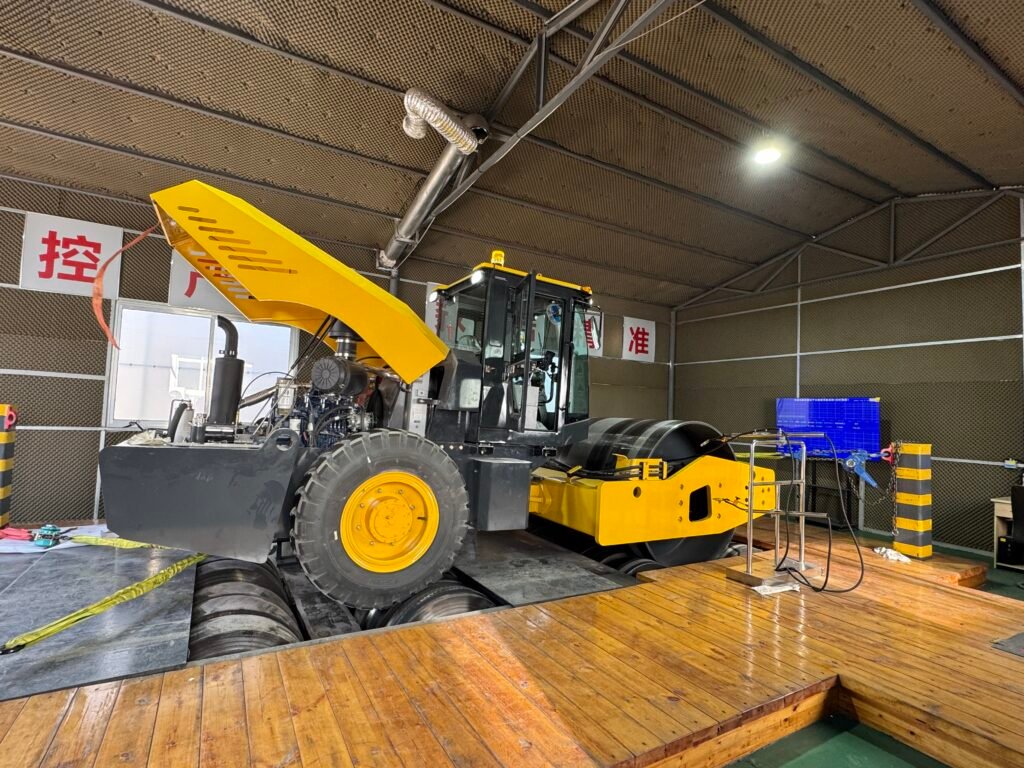
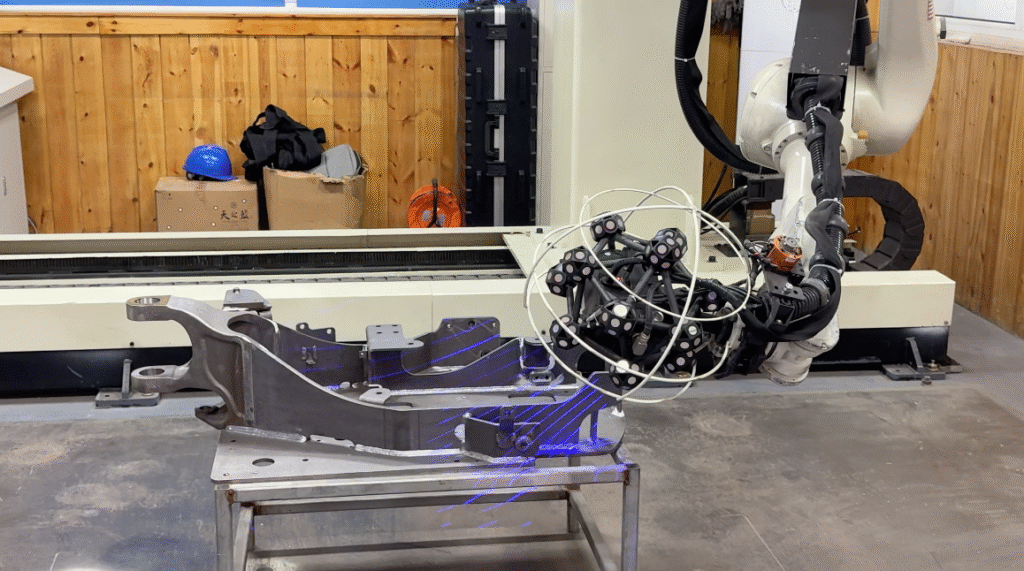
Technology Leadership: The full hydraulic drive technology and in-situ vibration patented technology hold a leading position in the industry.
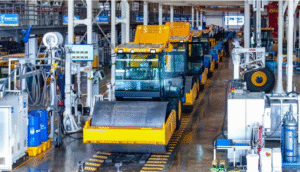
Smart Manufacturing: The digital factory achieves an 85% automation rate for core component production and improves product assembly efficiency by 30%.
Global Presence: Three regional centers have been established in Asia, Europe, and South America, with technical service networks covering 50 countries.
Product Breakthrough: The WD136HF hydraulic double-drum roller has been successfully applied in over 30 national key infrastructure projects, achieving a customer repurchase rate of 85%.
V. Construction Equipment Industry Outlook
1. Electrification: Transitioning from Policy-Driven to Market-Led
Although the global electrification rate for construction equipment was under 3% in 2025, the Chinese market performed notably well. For instance, the electrification rate for aerial work platforms exceeded 90%, for forklifts reached 73.2%, and for loaders hit 10.5%. The global rate is projected to reach 15-20% by 2030, with the Chinese market potentially surpassing 30%. As battery technology advances and charging infrastructure improves, the economic advantages of electric equipment will become more pronounced, gradually becoming the industry standard.
2. Intelligence: Ushering in a New Era of “Computing Power Competition”
Deep integration of AI, IoT, and big data is scaling up applications for intelligent excavators and autonomous mining trucks from concept to reality. The global market for intelligent construction equipment is forecast to reach $150 billion by 2028, with a CAGR exceeding 25%. Intelligence not only significantly enhances construction efficiency and safety but also spawns new business models like Equipment-as-a-Service and remote operation and maintenance.
3. Internationalization: Chinese Enterprises Reshaping the Competitive Landscape
According to KHL Group rankings, 13 Chinese companies made the list of the world’s top 50 construction equipment manufacturers in world in 2025, raising their global market share from 18% in 2020 to 28%. Bolstered by the Belt and Road Initiative, China’s exports of construction equipment to participating countries reached $48 billion, accounting for 65% of the industry’s total export value. Southeast Asia, the Middle East, and Africa have become core growth poles.
VI. Segmented Construction Machinery Market Data
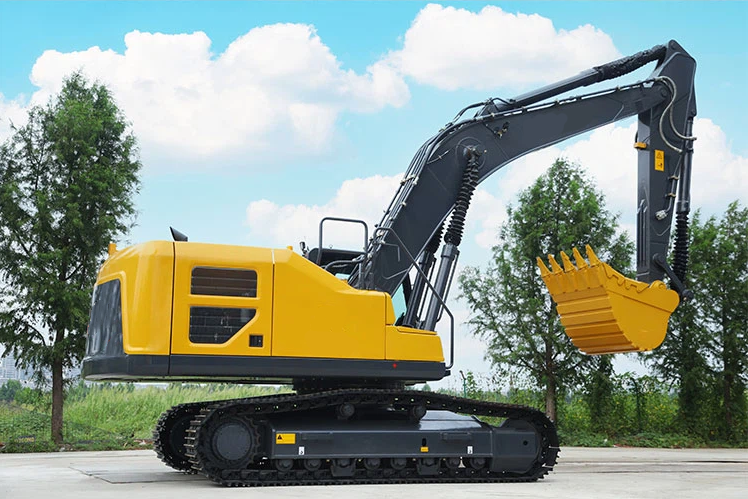
1. Excavator Market
Sales in China were 128,000 units (+15.2% YoY); exports were 116,000 units (+8.5% YoY). The market structure is dominated by mini excavators (65% share), while large excavators have become the focal point of technological competition among construction equipment manufacturers in world. (Jan-Oct 2025, China)
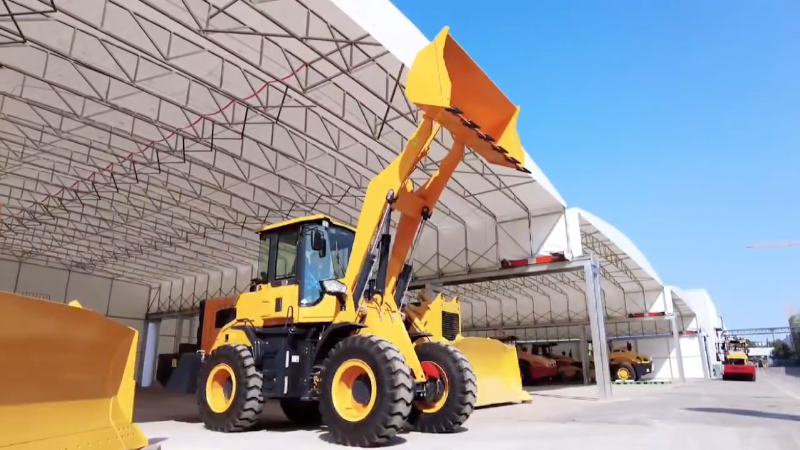
2. Loader Machinery Market
Total sales were 92,000 units (+6.8% YoY). Within this, electric loader sales reached 18,000 units, skyrocketing 280% YoY, achieving an electrification rate of 19.6%. Exports were 48,000 units (+22.5% YoY), indicating strong demand for electric products in European and American markets.
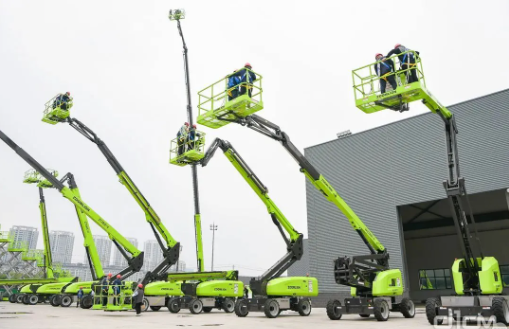
3. Aerial Work Platform Market
This sector exhibited a “cool China, hot export” trend. Sales in China were 72,000 units (-18.5% YoY), while exports surged to 85,000 units (+28.6% YoY). The electrification rate in this segment is as high as 92%, making it the most mature electrified subsector currently.
VII. Future Perspective
Looking ahead, the global construction equipment industry outlook forecasts a market size reaching $180 billion by 2028, with the Chinese market expected to grow to ¥450 billion. Electrification and intelligence will continue to dominate the industry’s development direction.
The 2025 industry transformation signifies a fundamental shift in the competitive paradigm from physical performance to digital intelligence and represents a profound restructuring of the global competitive landscape. Chinese construction equipment manufacturers in world are advancing with technological innovation as the fundamental driver and globalization as the development path, steering the construction equipment industry toward a smarter, greener, and more efficient new era.