I. Loader Industrial Market Overview
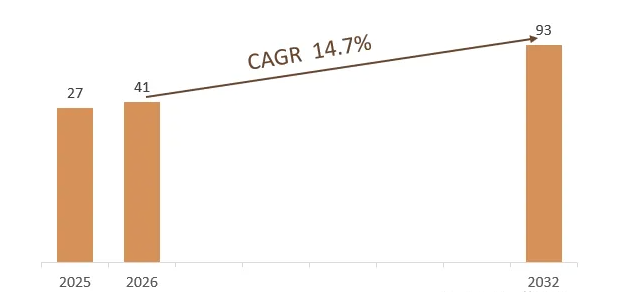
According to industry research institutions, the global electric loader industrial market is experiencing growth. In 2025, global sales of electric loaders reached approximately USD 2.7 billion; in 2026, the figure is expected to reach USD 4.1 billion; and by 2032, the global market size is projected to grow to USD 9.3 billion, representing a compound annual growth rate of approximately 14.7% from 2026 to 2032.
From a regional perspective, China is the world’s largest production and consumption market for electric loaders. The European market maintains steady growth, while the North American market lags in electrification adoption.
II. Application Value of Electrification
Electric loader units replace conventional diesel power with electric drive, achieving zero emissions during operation. In practical applications, electric loaders demonstrate advantages in energy consumption and maintenance costs compared to conventional diesel models. Industry data indicates that the hourly energy cost of an electric loader is approximately 30% of that of a diesel model, with overall efficiency improvements of approximately 20% to 25%, and annual operating cost reductions exceeding 70%. These figures are reference points for procurement decisions and cost calculations.
III. Major Electric Loader Manufacturer Overview
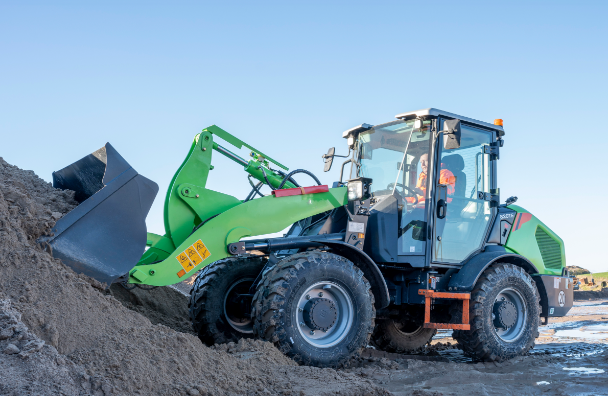
Chinese brands currently lead the global electric loader industrial market in terms of production volume, sales, and market share. Major suppliers and their representative electric wheel loader models are listed below:
1. XCMG Group
– Ranked first in domestic market share; product portfolio covers electrification and unmanned operation solutions.
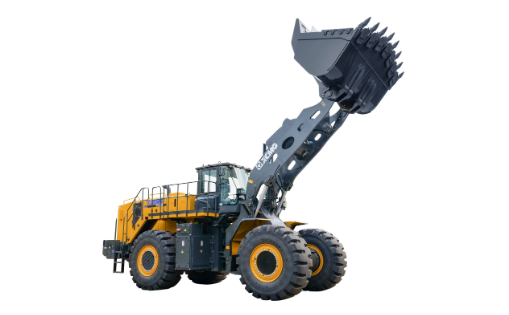
XC9150XE: 15-ton pure electric loader, the world’s largest tonnage model, designed for mining operations.
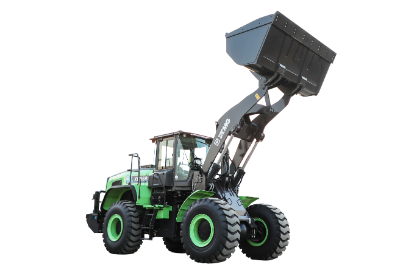
XC968-EV: 6.5-ton rated load, featuring “three-motor” transmission-less technology, supports dual-gun fast charging.
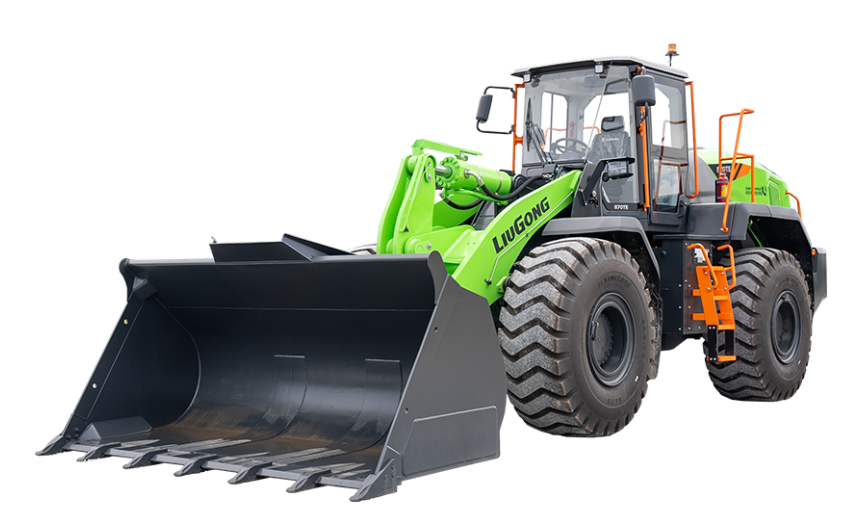
2. LiuGong
– Ranked second in domestic market share; product features include reliability and international service network.
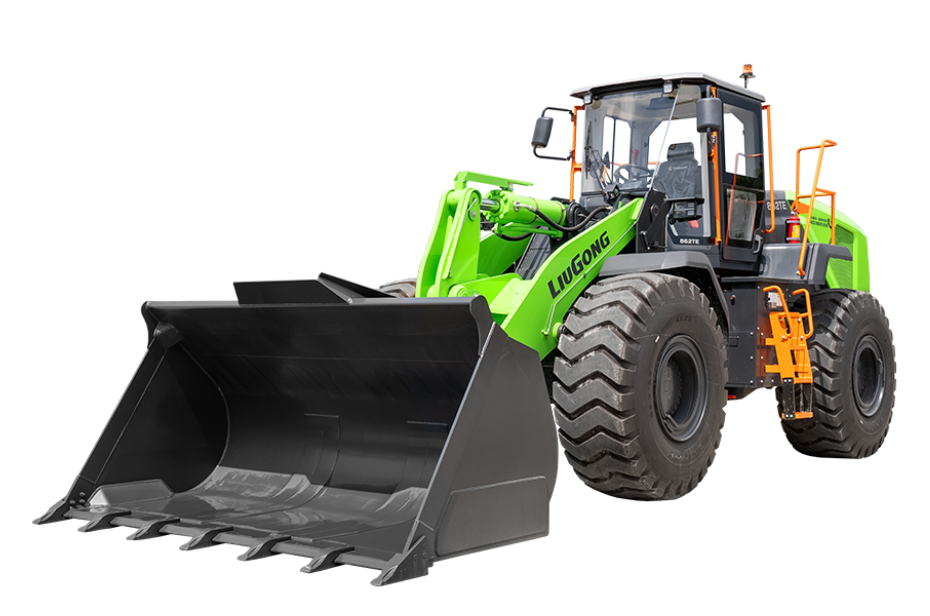
862TE: Standard 4.5 m³ bucket, full-turn tipping load 14 tons, MTB battery water-washable, suitable for logistics and aggregate handling.
870TE: 7.5-ton rated load, bucket capacity 3.0–7.0 m³, top speed 40 km/h, equipped with self-developed Xuanjia battery.
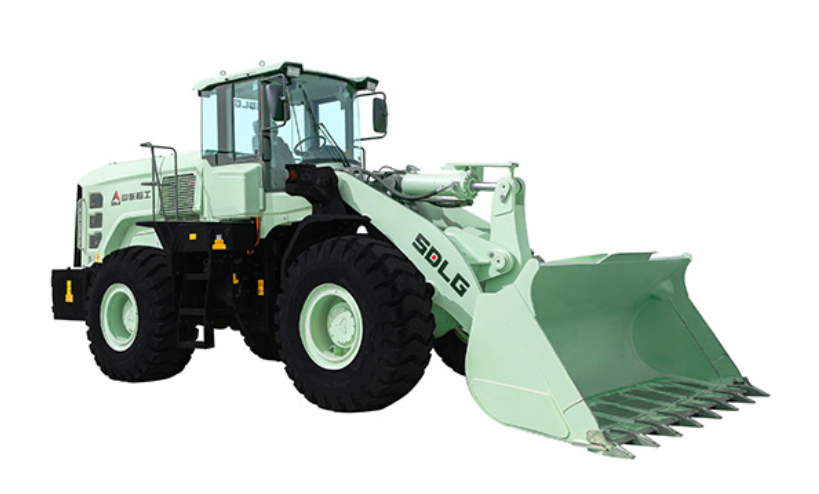
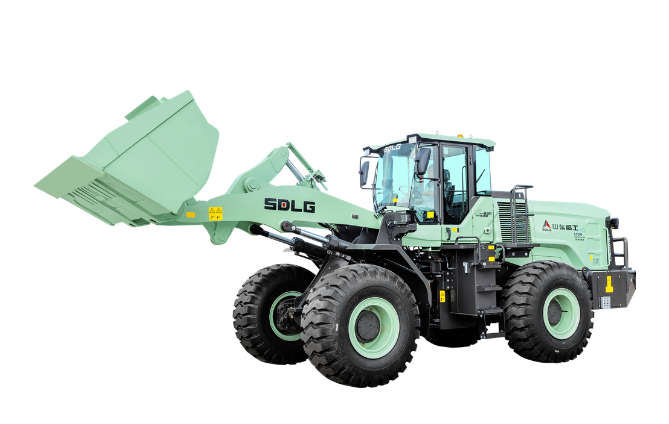
3. SDLG
– Ranked third in domestic market share; products positioned for energy efficiency and cost-effectiveness.
L956HEV: 5-ton model with 361 kW·h battery, dual-gun fast charging, 6–8 hours continuous operation.
L958HEV: 5-ton model with 350 kW·h battery, 6–7 hours endurance, equipped with separate working and travel motors.
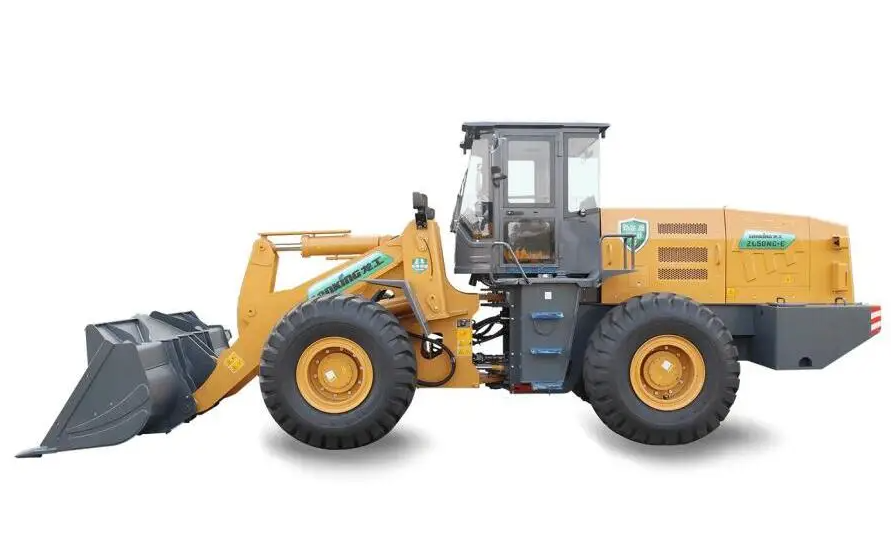
4. Longking
– Established enterprise with extensive dealer network and competitive pricing.
ZL50NC-E: 5-ton rated load, bucket capacity 2.7–5.0 m³, battery capacity 282 kW·h, maximum breakout force 180 kN.
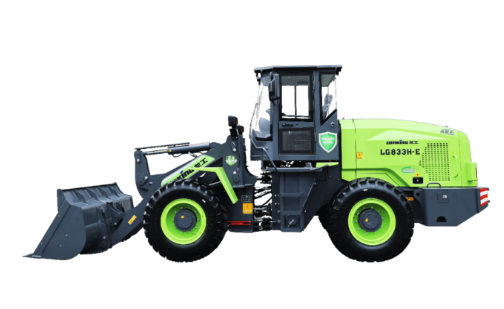
LG833H-E: 3-ton rated load, bucket capacity 1.7–2.5 m³, battery capacity 141/181 kW·h.
5. Sany Heavy Industry
– Products characterized by intelligent and digital management.
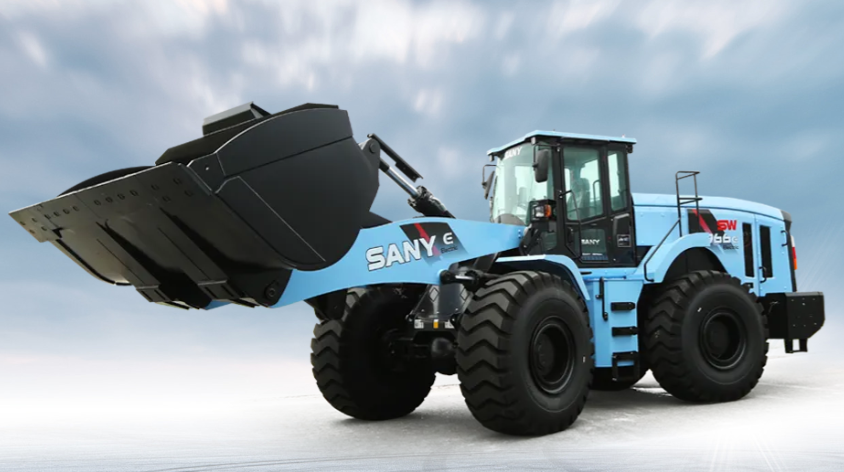
SW966E: 6.8-ton rated load, bucket capacity 4.5 m³, three-electric protection rating IP67.
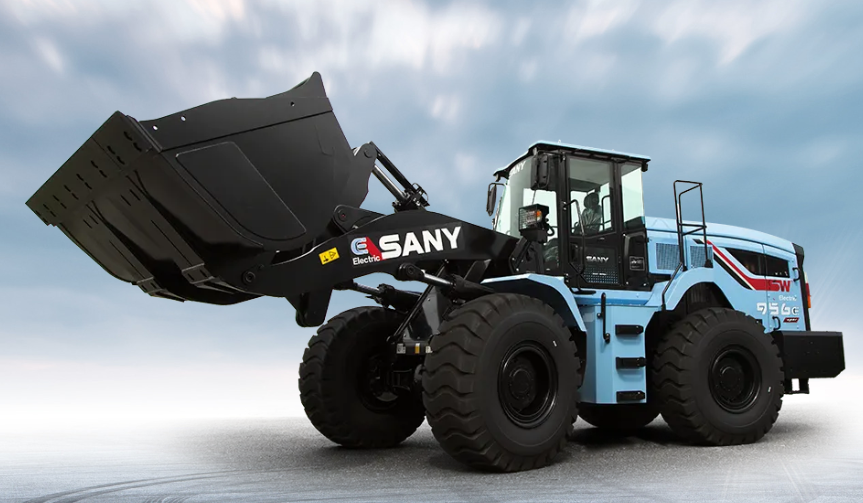
SW956E-MAX: 5.8-ton rated load, features energy recovery technology reducing consumption by 18%.
6. Breton
– Focused on new energy construction machinery; participates in drafting national standards.
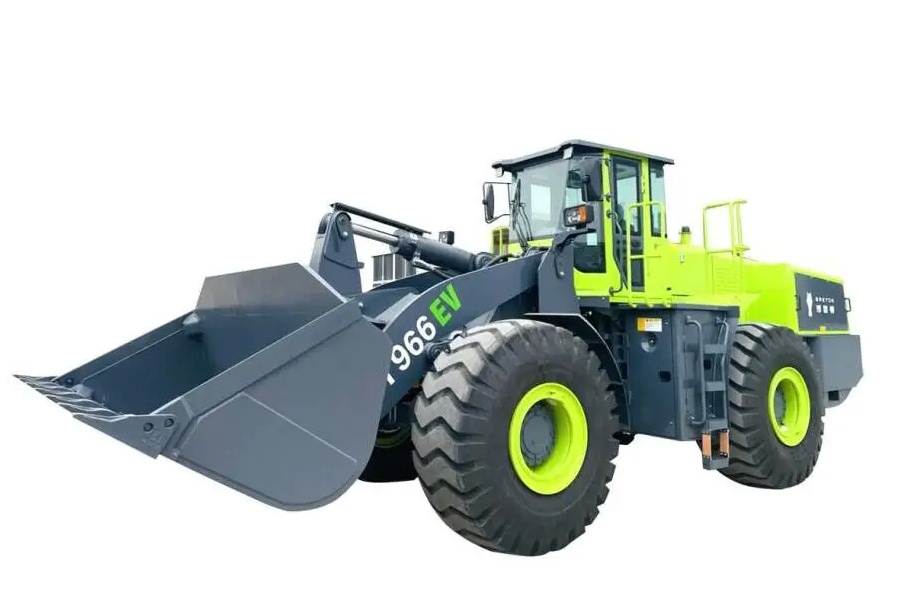
BRT966EV: 6.5-ton rated load, bucket capacity 5.6 m³, equipped with 422.87 kW·h battery, adaptable to -30°C to 60°C.
7. Qhmach
– Product line covers 1 to 5-ton electric mini loader models for small and medium-scale operating scenarios.
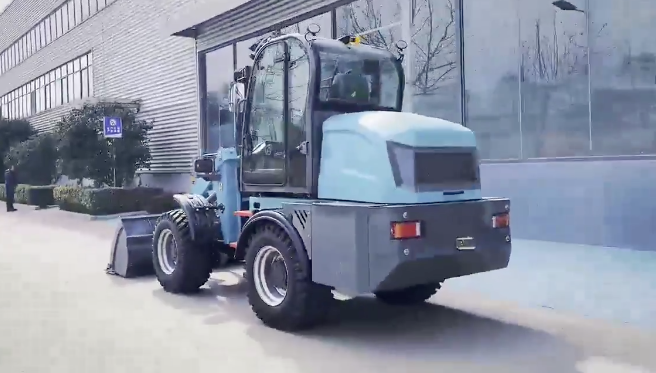
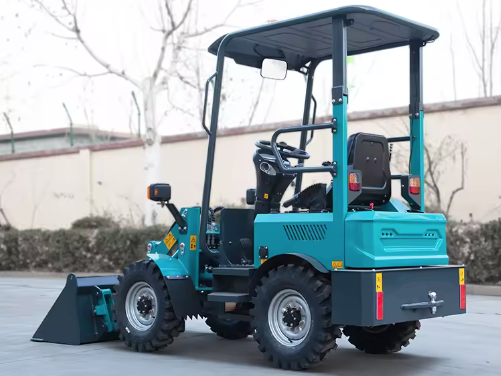
WE615: 5-ton electric front end loader, designed for power and efficiency in various material handling applications.
WE604: 1-ton electric wheel loader, rated load 400kg, bucket capacity 0.2m³, battery capacity 9kW, charging time <8 hours, working time 6 hours. Suitable for storage, landscaping, and small to medium job sites.
8. Volvo Construction Equipment
– Electric wheel loader production volume and market ranking are relatively lower.
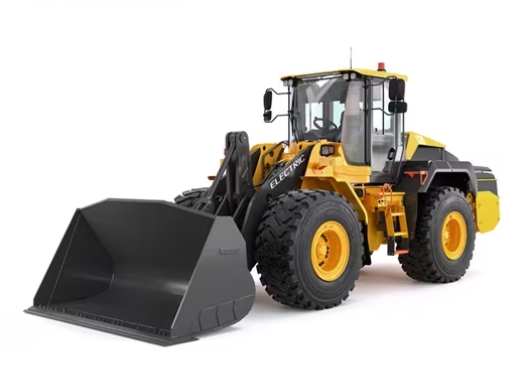
L120 Electric: Large electric wheel loader with lithium iron phosphate battery pack, suitable for urban infrastructure, ports, and logistics.
9. Caterpillar
– Holds brand advantage in large-scale mining equipment; electrified product line lags behind Chinese manufacturers.
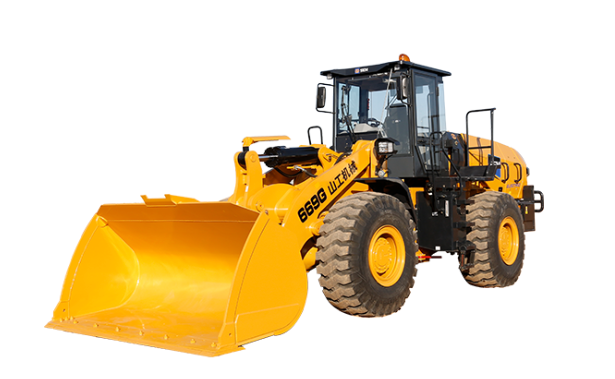
SEM 669G (423.9 kW·h): 6-ton electric drive loader with automatic transmission and heavy-duty axle.
IV. Key Procurement Evaluation Points
It is recommended that procurement parties conduct systematic evaluation from the following four dimensions during equipment selection and procurement decisions:
1. Operating Condition Matching: Determine required equipment tonnage (e.g., below 3 tons, 3 to 6 tons, above 6 tons) and powertrain type (pure electric or hybrid) based on material type, shoveling volume, and operating duration. Request the supplier to provide working condition simulation energy consumption data.
2. Three-Electric System Technical Assessment: Verify the technical source, cooling solution, and protection rating of the battery, motor, and electronic control systems. Priority should be given to solutions specifically designed for high-vibration and high-dust environments characteristic of construction machinery.
3. Total Cost of Ownership (TCO) Calculation: Request the supplier to provide a five-year TCO analysis report covering purchase cost, energy expenses, maintenance costs, and equipment residual value.
4. After-Sales Service Capability Assessment: Review the supplier’s parts inventory in the equipment usage area, service response time commitments (e.g., 48-hour onsite arrival), warranty policy, and operator training support.
V. Industry Development Trends
The global electric loader industrial market is transitioning from demonstration applications to large-scale commercial adoption. Future market competition will encompass comprehensive factors including machine performance, three-electric systems, energy replenishment solutions, intelligent operation management, and full life-cycle service capabilities. Chinese companies are accelerating overseas market expansion, and the penetration rate of electric loaders in the global construction machinery market is expected to continue rising.
For procurement selection, the following points merit attention:
Loader manufacturer selection should prioritize technical verification. Different loader manufacturer companies have varying strengths across tonnage segments and application scenarios.
The electric wheel loader category represents the mainstream product form, with applications covering mining, ports, infrastructure, and municipal construction.
Electric mini loader products are suitable for scenarios with space constraints and light-to-medium duty cycles, such as agricultural facilities and small-scale construction sites.
It is recommended that procurement parties conduct technical exchanges and site trials with major suppliers based on their business development requirements, and complete equipment selection decisions in conjunction with the evaluation points outlined above.